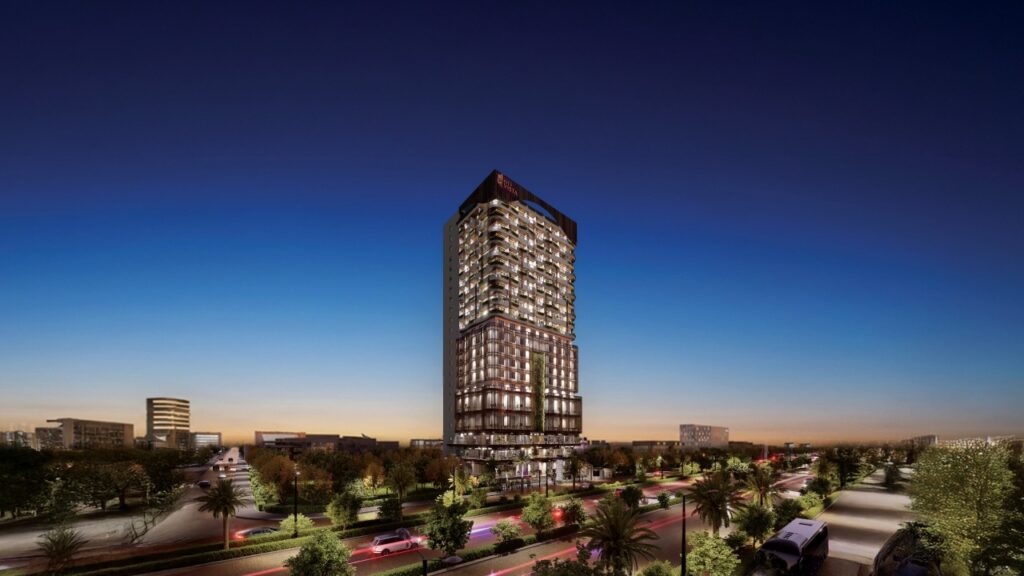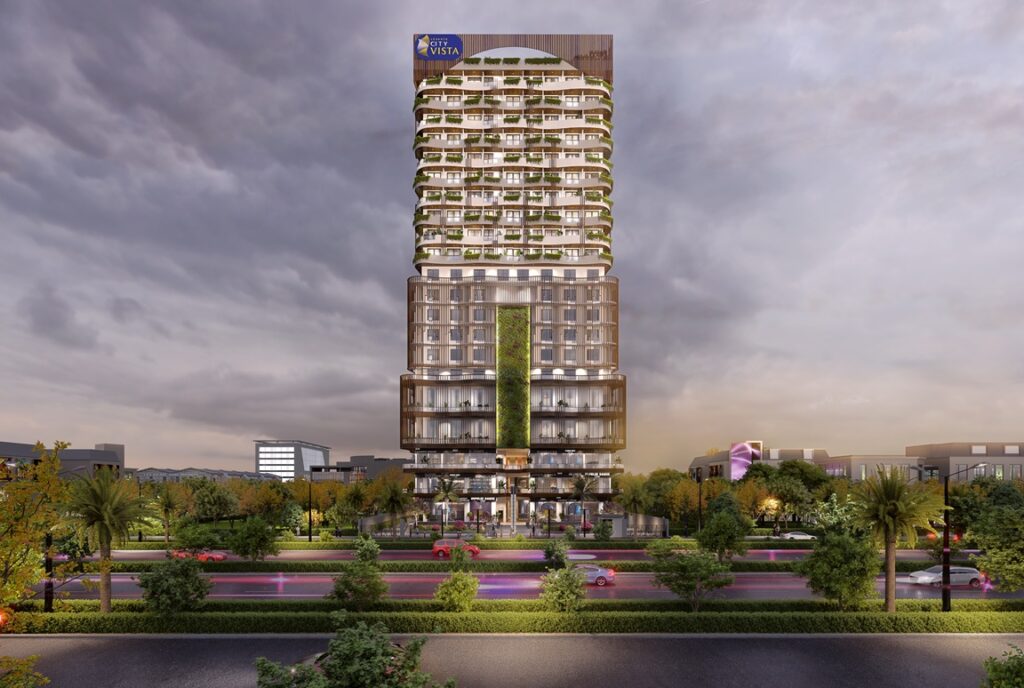

Investing in real estate today requires more than simply purchasing property in a growing city. Buyers now evaluate connectivity, infrastructure, commercial potential, rental demand, and long-term usability before making investment decisions. In emerging urban corridors like Greater Noida, projects positioned near metro infrastructure and mixed-use developments are attracting increasing attention from investors and business owners alike.
This is where Levante Metro Walk becomes relevant.
Developed by the Levante Group, the project combines retail shops, commercial spaces, and studio apartments within a metro-connected environment in Greater Noida. Its mixed-use positioning appeals to multiple categories of investors rather than a single buyer profile.
However, not every real estate opportunity suits every investor. Understanding who should invest in Levante Metro Walk helps buyers align property decisions with their financial goals, business plans, and long-term investment strategy.
This article explores the types of investors who may find value in this project, what factors they should evaluate, and why metro-linked commercial developments continue gaining importance in modern urban real estate.
Why Metro-Connected Real Estate is Gaining Attention
Infrastructure significantly influences real estate demand. Across major Indian cities, metro connectivity has transformed residential and commercial growth patterns.
Properties near metro stations often benefit from:
- Improved accessibility
- Higher footfall
- Better commuting convenience
- Stronger business visibility
- Increased rental interest
- Long-term urban relevance
In regions like Greater Noida, metro expansion and infrastructure modernization continue shaping commercial activity and residential demand. Mixed-use developments positioned near transportation corridors frequently attract both investors and end-users because they combine convenience with practical usability.
Understanding Levante Metro Walk
Levante Metro Walk is a mixed-use development designed to include:
| Property Type |
Potential Usage |
| Retail Shops | Retail businesses, showrooms, food outlets |
| Commercial Spaces | Offices, startups, professional services |
| Studio Apartments | Rental accommodation, business stays, compact living |
The project’s positioning near metro connectivity makes it relevant for both commercial activity and occupancy-driven investment strategies.
The development may appeal to buyers looking for:
- Business-focused investment opportunities
- Rental-oriented assets
- Metro-connected commercial property
- Diversified real estate exposure
- Long-term urban growth potential
Because the project combines multiple asset categories, different investor groups may evaluate it differently based on their goals.
Who Should Invest in Levante Metro Walk?
1. Retail Business Owners
Retail business owners typically look for commercial spaces that offer strong visibility, easy accessibility, and consistent customer movement. Retail shops within mixed-use developments may benefit from daily footfall, nearby residential populations, metro connectivity, and integrated commercial activity. Businesses such as food outlets, fashion stores, wellness centers, electronics shops, convenience stores, and lifestyle brands often prefer metro-connected locations for operational convenience and customer reach. For small and medium-sized entrepreneurs, owning retail space instead of leasing may also provide greater long-term business stability and reduce dependency on rising rental costs.
2. Investors Seeking Commercial Rental Income
Commercial real estate investors often prefer properties with the potential to generate steady rental income over the long term. Projects like Levante Metro Walk may appeal to buyers interested in retail leasing, office rental opportunities, flexible commercial usage, and mixed-use occupancy potential. Commercial spaces located near metro corridors frequently attract attention because strong connectivity supports employee convenience and customer accessibility. However, before investing, buyers should carefully assess factors such as local market demand, occupancy levels, tenant sustainability, maintenance management, and surrounding infrastructure development to make informed and responsible investment decisions.
Key Considerations for Commercial Investors
| Factor |
Why It Matters |
| Metro Connectivity | Supports accessibility |
| Footfall Potential | Impacts retail viability |
| Developer Reputation | Influences project reliability |
| Surrounding Development | Affects long-term growth |
| Commercial Demand | Determines occupancy potential |
3. Studio Apartment Investors
Studio apartments continue gaining attention among investors in urban and semi-urban markets due to their flexible usage and broad tenant appeal. Potential occupants may include students, young professionals, corporate employees, single residents, and business travelers. In metro-connected locations, studio apartments can benefit from convenience-oriented rental demand and improved accessibility. Investors seeking compact real estate options often consider studio units because they generally involve lower maintenance, easier management, flexible rental usage, and comparatively smaller investment requirements than larger residential units. However, buyers should carefully assess actual local rental demand and occupancy trends before making investment decisions.
4. First-Time Real Estate Investors
Many first-time real estate investors prefer projects that offer infrastructure growth, strong connectivity, multiple usage possibilities, and long-term urban relevance. Mixed-use developments can provide diversified exposure by combining residential and commercial components within a single ecosystem. Metro-linked projects often attract new investors because improved transportation infrastructure may enhance accessibility, convenience, and future usability. However, before investing, buyers should carefully verify legal approvals, builder credibility, RERA registration, payment plans, construction progress, and maintenance policies. Regardless of project size or promotional claims, proper due diligence remains essential for making informed and responsible investment decisions.
5. Investors Looking for Diversification
Some investors prefer diversifying across different property categories rather than focusing solely on residential housing. Commercial spaces, retail shops, and studio apartments may support varied financial objectives, including rental income generation, business operations, long-term asset holding, and flexible property usage. Projects like Levante Metro Walk may attract investors seeking broader real estate exposure beyond conventional residential investments. Diversification across multiple asset types can sometimes help reduce reliance on a single market segment. However, investors should remember that all real estate investments remain subject to market conditions, demand fluctuations, and broader economic factors.
6. Business Professionals and Startups
Commercial spaces within metro-connected developments may suit startups, consultants, freelancers, service providers, and small corporate teams looking for accessible business environments. Connectivity often plays an important role in office usability, as employees and clients generally prefer locations with convenient transportation access. Modern businesses increasingly prioritize factors such as metro connectivity, parking facilities, nearby amenities, integrated commercial ecosystems, and flexible office infrastructure when selecting workspace locations. As urban markets continue evolving, mixed-use commercial developments are becoming more relevant because they combine convenience, accessibility, and business functionality within a single environment.
7. Long-Term Urban Growth Investors
Some investors prioritize long-term urban development potential over immediate financial returns. Greater Noida continues experiencing infrastructure expansion through metro connectivity, expressway networks, commercial development, educational institutions, residential growth, and evolving business ecosystems. Investors analyzing long-term urbanization trends may consider projects located within infrastructure-driven growth corridors for future potential. Developments like Levante Metro Walk may appeal to buyers seeking exposure to emerging urban markets. However, long-term property appreciation depends on several external factors, including economic conditions, market demand, infrastructure execution, urban planning, and regulatory policies. Real estate investments do not guarantee fixed or assured returns.
Conclusion
Understanding who should invest in Levante Metro Walk requires evaluating both investor goals and market realities.
The project may appeal to:
- Retail business owners
- Commercial investors
- Studio apartment buyers
- First-time investors
- Startups and professionals
- Diversification-focused investors
- Long-term urban growth buyers
Its metro-connected positioning in Greater Noida, combined with mixed-use infrastructure, creates multiple potential use cases across residential and commercial categories.
However, responsible investing always requires:
- Legal verification
- Market research
- Financial planning
- Demand assessment
- Long-term evaluation
Before investing, buyers should carefully analyze whether the property aligns with their investment strategy, risk tolerance, and future goals.
To explore more about Levante Metro Walk and upcoming opportunities by the Levante Group, buyers should review official project details, infrastructure updates, and verified documentation directly from the developer.