Modern cities are evolving rapidly. Rising urbanization, changing lifestyle preferences, and infrastructure-led growth have increased demand for integrated real estate ecosystems. This shift has made types of mixed-use development one of the most discussed topics in today’s property market.
Mixed-use developments combine residential, commercial, retail, hospitality, entertainment, or office spaces within a single project or district. These developments aim to improve convenience, optimize land usage, and create sustainable urban environments.
For real estate developers, investors, business owners, and homebuyers, understanding different mixed-use formats is important because each serves different market needs and investment objectives.
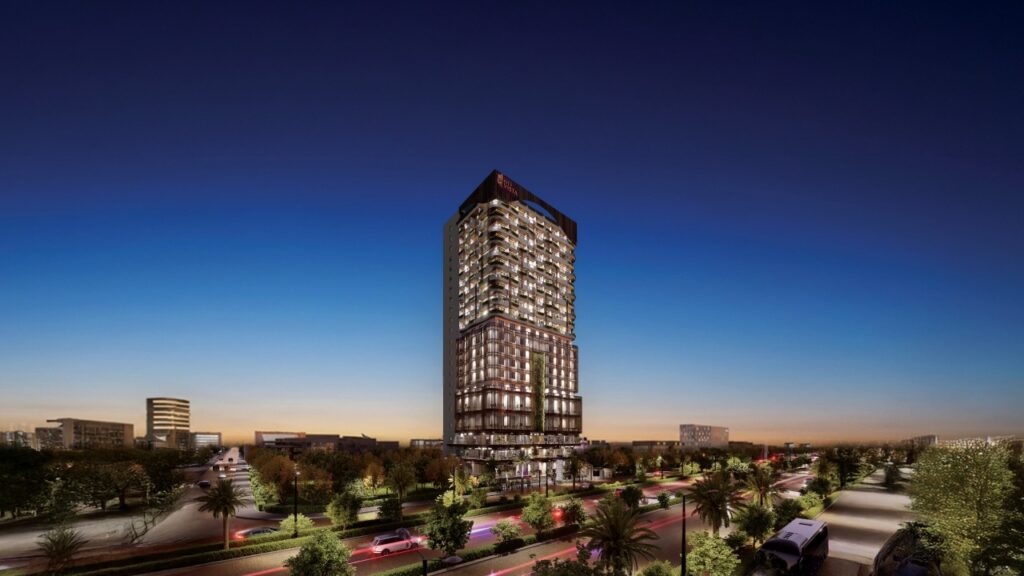
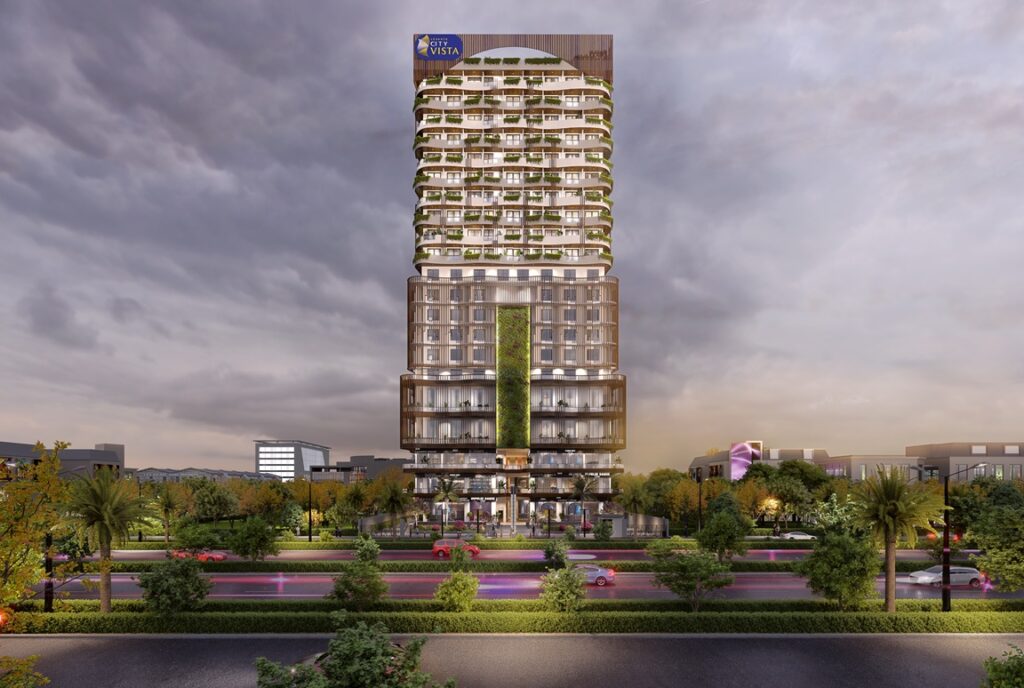
Projects like Levante Metro Walk reflect the growing popularity of integrated urban developments that combine retail shops, commercial spaces, and studio apartments near metro connectivity.
In this article, we will explore the 10 major types of mixed-use development, their characteristics, benefits, and relevance in modern real estate planning.
What is Mixed-Use Development?
A mixed-use development is an integrated real estate project that combines multiple property types within a single location. These developments may include residential apartments, retail shops, commercial offices, hotels, entertainment spaces, healthcare centers, and educational facilities. The goal is to create convenient “live-work-shop” environments where people can access essential services within walking distance. According to urban planning principles supported by organizations like the Urban Land Institute (ULI), mixed-use communities often promote better land utilization, reduced travel dependency, improved walkability, stronger economic activity, and more sustainable urban growth.
1. Vertical Mixed-Use Development
Vertical mixed-use development integrates multiple property functions within a single high-rise or building structure. In this model, different floors serve different purposes to maximize land utilization and urban efficiency. Typically, the lower floors accommodate retail shops and commercial outlets, middle levels contain office spaces or coworking hubs, while upper floors are designed for residential apartments, studio units, or serviced accommodations. These developments are commonly found in metro-connected urban areas where space optimization, accessibility, and mixed economic activity play an important role in modern real estate planning.
Key Benefits
- Efficient land utilization
- High urban density management
- Better pedestrian activity
- Increased rental diversification
Common Locations
These developments are usually found in:
- Metro corridors
- Central business districts
- High-density urban areas
2. Horizontal Mixed-Use Development
Horizontal mixed-use development distributes different property components across a large land area instead of combining them within a single vertical structure. In this format, residential towers, retail plazas, office buildings, hospitality spaces, and recreational zones are planned in separate sections within the same integrated community. These developments often provide wider roads, open spaces, landscaped areas, and improved zoning flexibility. Horizontal mixed-use projects are commonly seen in townships and suburban developments where larger land parcels allow developers to create balanced live-work-leisure ecosystems with better accessibility and community planning.
Advantages
- Better zoning flexibility
- Lower congestion
- Enhanced open spaces
- Family-friendly layouts
Best Suited For
- Township projects
- Large suburban developments
- Integrated communities
3. Transit-Oriented Mixed-Use Development (TOD)
Transit-oriented mixed-use development (TOD) refers to integrated real estate projects built near major transportation hubs such as metro stations, railway terminals, bus corridors, and expressway intersections. These developments are designed to improve accessibility, reduce commuting time, and encourage walkability. TOD projects often combine residential, retail, commercial, and hospitality spaces within a well-connected urban ecosystem. Their strategic location near public transport infrastructure can help increase footfall, support business activity, and enhance convenience for residents, professionals, and visitors in rapidly growing urban areas.
Benefits
TOD developments often benefit from:
- Higher footfall
- Better rental demand
- Reduced commuting time
- Stronger commercial viability
Investment Relevance
Real estate near metro infrastructure often attracts:
- Retail businesses
- Working professionals
- Students
- Corporate tenants
This is one reason why metro-connected projects are becoming increasingly popular in Greater Noida and NCR markets.
4. Residential-Led Mixed-Use Development
Residential-led mixed-use development primarily focuses on housing while integrating essential retail and commercial services within the same community. In this model, residential apartments form the core component, supported by convenience-based amenities such as grocery stores, cafes, clinics, fitness centers, and daily-use retail outlets. The objective is to create a comfortable and self-sustained living environment where residents can access important services without traveling long distances. These developments are commonly preferred by families and working professionals seeking convenience, better lifestyle infrastructure, and community-oriented urban living.
Key Advantages
- Improved lifestyle convenience
- Reduced travel needs
- Better community engagement
- Enhanced livability
Buyer Appeal
These developments are often preferred by:
- Families
- Working professionals
- Long-term residents
5. Commercial-Led Mixed-Use Development
Commercial-led mixed-use development centers around business and office infrastructure while incorporating supporting residential, retail, and hospitality components within the same project. These developments typically include office spaces, coworking hubs, conference facilities, retail outlets, food courts, and serviced accommodations designed to support working professionals and businesses. The goal is to create integrated business ecosystems that improve operational convenience and increase commercial activity. Commercial-led projects are commonly developed in business districts, metro corridors, and rapidly growing urban centers with strong corporate and employment demand.
Market Demand Drivers
The rise of:
- Startups
- IT companies
- Flexible workspaces
- Hybrid work culture
has increased demand for commercial-centric mixed-use ecosystems.
6. Retail-Led Mixed-Use Development
Retail-led mixed-use development is primarily centered around shopping, dining, and consumer-driven activity. In this model, retail spaces act as the anchor component, while residential units, office spaces, hotels, or serviced apartments support continuous footfall and overall project activity. These developments often include shopping arcades, restaurants, entertainment zones, cafes, and lifestyle amenities designed to attract both visitors and residents. Retail-led projects are commonly developed in high-visibility urban locations where accessibility, population density, and commercial demand contribute to long-term business and investment potential.
Common Components
- Shopping arcades
- Restaurants
- Entertainment zones
- Studio apartments
- Commercial offices
Advantages for Investors
Retail-led mixed-use developments may offer:
- Higher visibility
- Consistent footfall
- Business growth opportunities
- Diversified tenant mix
Growing Trend in NCR
Retail spaces integrated with residential and office infrastructure are becoming increasingly important in emerging urban corridors.
7. Hospitality Mixed-Use Development
Hospitality mixed-use development combines hotels or serviced accommodations with complementary retail, commercial, and residential spaces within a single integrated project. These developments may include hotels, convention centers, restaurants, retail outlets, business lounges, and serviced residences designed to support both travelers and urban professionals. The model helps create multiple revenue streams while increasing overall property activity and visitor engagement. Hospitality-focused mixed-use projects are commonly developed in business districts, tourist destinations, airport corridors, and metro-connected urban areas where demand for accommodation and commercial services remains consistently high.
8. Institutional Mixed-Use Development
Institutional mixed-use development integrates educational or healthcare facilities with residential, retail, and commercial infrastructure within a unified ecosystem. These projects may include university townships, medical districts, educational campuses with housing, and hospital-integrated retail environments. The presence of schools, colleges, hospitals, and research centers often supports stable occupancy demand and continuous economic activity. Such developments can also create strong rental ecosystems due to sustained population movement involving students, healthcare professionals, staff, patients, and visitors. Locations near major institutional hubs frequently maintain long-term real estate relevance and consistent urban demand.
9. Entertainment-Focused Mixed-Use Development
Entertainment-focused mixed-use development is designed around recreation, leisure, and lifestyle experiences. These projects commonly include multiplexes, gaming zones, restaurants, event venues, retail outlets, cafes, and residential spaces within one integrated destination. The objective is to create vibrant environments that encourage social interaction, visitor engagement, and extended consumer activity. As modern urban consumers increasingly prefer experience-driven destinations and convenience-oriented lifestyles, entertainment-focused developments continue gaining relevance in metropolitan and high-footfall urban markets. Such ecosystems can also support commercial growth by attracting regular visitors and enhancing overall property activity.
10. Township-Style Mixed-Use Development
Township-style mixed-use development is one of the largest and most comprehensive forms of integrated urban planning. These projects are designed as self-sustained communities that combine residential clusters, schools, hospitals, office spaces, retail markets, parks, and sports facilities within a single large-scale ecosystem. The goal is to create an organized live-work-leisure environment that supports long-term urban sustainability and community-focused living. Township developments often provide better infrastructure planning and lifestyle convenience, but they also require significant capital investment, extensive regulatory approvals, long development timelines, and advanced infrastructure management.
Conclusion
Understanding the different types of mixed-use development is essential for investors, developers, urban planners, and homebuyers navigating today’s evolving real estate market.
From transit-oriented projects to retail-led ecosystems and township-style communities, mixed-use developments continue to reshape urban living by combining convenience, accessibility, and economic activity within integrated spaces.
As infrastructure expansion and metro connectivity continue driving growth in cities like Greater Noida, integrated projects such as Levante Metro Walk reflect the increasing demand for strategically connected commercial and residential ecosystems.
Before investing, buyers should carefully evaluate:
- Location fundamentals
- Legal approvals
- Infrastructure growth
- Market demand
- Long-term sustainability
Well-planned mixed-use developments can offer balanced opportunities across residential, retail, and commercial segments when supported by strong urban planning and connectivity.