Urban real estate is evolving rapidly. Buyers, investors, and developers no longer look at residential or commercial spaces in isolation. Instead, integrated communities that combine retail, office spaces, hospitality, and residential units are becoming increasingly popular across growing cities and emerging urban corridors.
This shift has increased interest in the benefits of mixed-use development among real estate professionals, homeowners, and investors alike. Mixed-use projects are designed to improve convenience, encourage economic activity, and optimize land utilization while creating more vibrant communities.
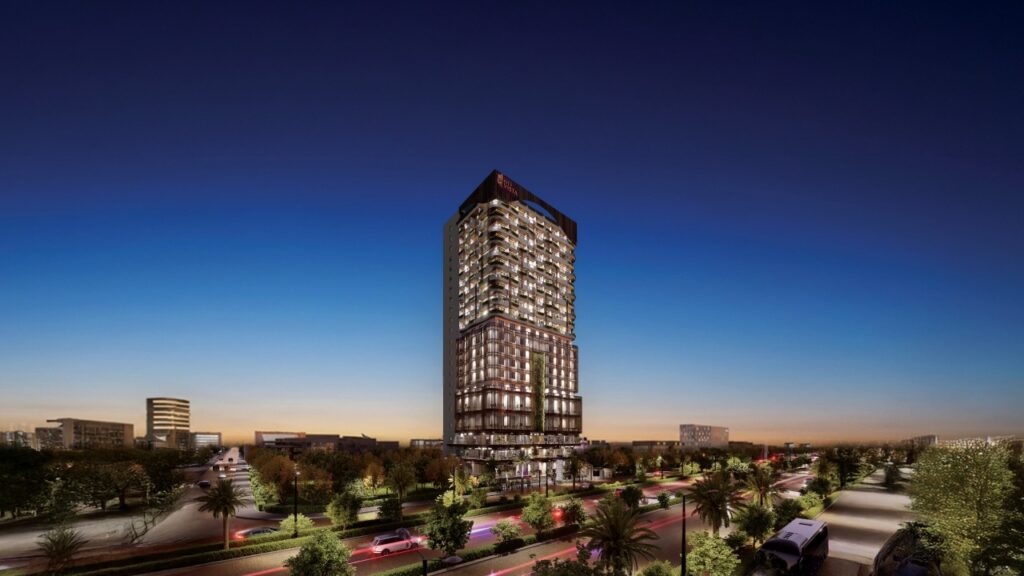
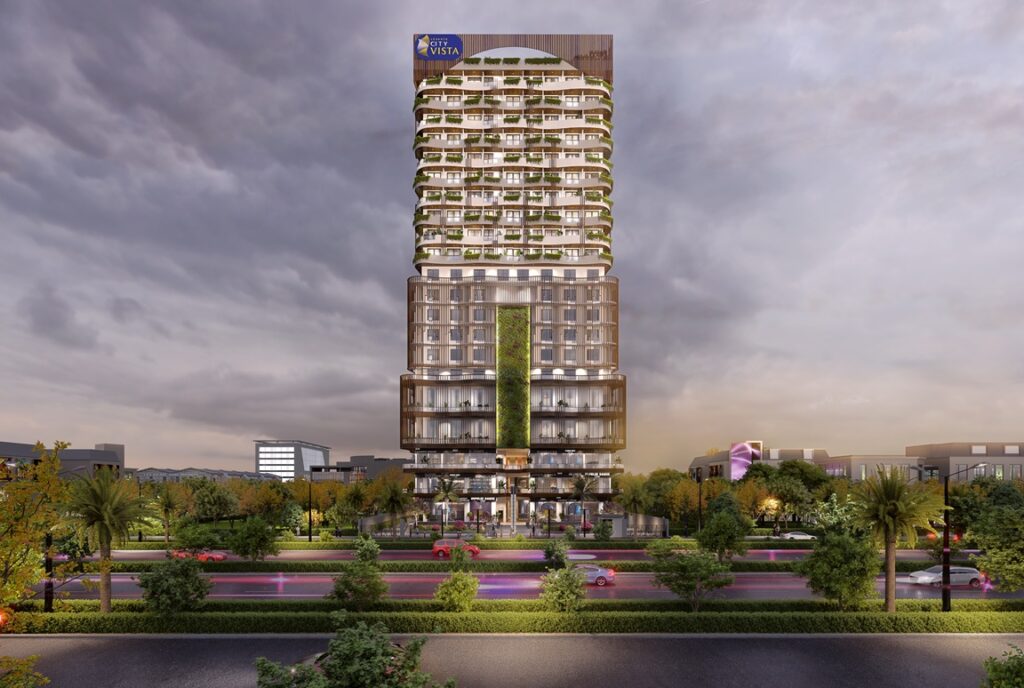
In rapidly developing regions such as Greater Noida, integrated developments are attracting attention because they combine accessibility, lifestyle amenities, and commercial opportunities within a single ecosystem. Projects like Levante Metro Walk reflect this growing trend by offering retail shops, commercial spaces, and studio apartments near metro connectivity.
This article explains the major advantages of mixed use development, why these projects are gaining popularity, and how they may influence the future of urban real estate.
1. Better Convenience for Residents and Businesses
One of the key benefits of mixed use development is improved everyday convenience for both residents and businesses. These integrated communities bring essential services such as grocery stores, cafes, retail outlets, offices, healthcare centers, and entertainment spaces together within a single location. Residents can easily access daily necessities without long commutes, helping save time and improving overall lifestyle comfort. At the same time, businesses benefit from a built-in customer base, as people living or working within the development regularly visit nearby commercial spaces, creating consistent activity and better consumer engagement.
Why This Matters
Convenience influences:
- Lifestyle quality
- Time efficiency
- Reduced transportation dependency
- Better work-life balance
For modern urban buyers, proximity to daily necessities has become a major purchasing factor.
2. Improved Footfall for Commercial Spaces
One of the major advantages of mixed use development is the steady footfall generated within the project ecosystem. Retail businesses benefit from continuous movement created by residents, office employees, visitors, and weekend shoppers. Unlike standalone commercial properties that may rely heavily on external traffic, mixed-use developments create built-in customer activity throughout the day. Restaurants, cafes, convenience stores, and service outlets often gain better visibility because people already live, work, or spend leisure time within the same environment. This consistent exposure can support stronger business engagement and improve overall commercial vibrancy.
Retail Segments That Benefit Most
- Cafes
- Restaurants
- Grocery stores
- Fashion outlets
- Service businesses
- Convenience retail
Developments near metro stations may experience additional movement from commuters and nearby working populations.
Projects like Levante Metro Walk strategically combine commercial and residential components near metro connectivity, which can help create consistent activity throughout the day.
3. Efficient Land Utilization
Efficient land usage is one of the most important advantages of mixed use development, especially in rapidly growing urban areas where land availability is limited. By combining residential, commercial, retail, and recreational spaces within a single planned environment, these developments help maximize the value of available land. This integrated approach can reduce urban sprawl, improve infrastructure efficiency, and support better use of transportation networks. It also lowers dependency on isolated zoning patterns that often increase commuting distances. As a result, governments and urban planners increasingly encourage compact, mixed-use models to support more sustainable and organized long-term urban development.
4. Stronger Community Interaction
One of the valuable benefits of mixed use development is the creation of stronger and more connected communities. Traditional city planning often separates residential and commercial areas, which can limit daily social interaction. In contrast, mixed-use developments encourage walkability, public engagement, and shared community experiences. Features such as open plazas, cafes, landscaped spaces, event zones, and recreational areas create opportunities for people to interact more frequently. These environments often foster a lively and community-oriented atmosphere that appeals to young professionals, families, and entrepreneurs looking for a more convenient and lifestyle-focused urban living experience.
5. Potential for Better Investment Diversification
One of the notable advantages of mixed use development is the opportunity for broader investment diversification within a single project. These developments combine residential, commercial, retail, and sometimes hospitality segments, allowing investors to benefit from multiple demand sources. Residential units may support occupancy stability, while retail outlets can benefit from regular consumer activity, and commercial spaces may attract business-driven demand. This diversified structure can reduce reliance on a single real estate category. Investors typically evaluate mixed-use projects based on factors such as location quality, metro connectivity, developer credibility, surrounding infrastructure, and long-term urban growth potential.
6. Higher Walkability and Reduced Commute Dependency
Higher walkability is one of the increasingly important benefits of mixed use development in modern urban planning. When residential, retail, and commercial spaces exist within the same environment, people can access daily necessities with shorter travel distances. This may help reduce traffic congestion, lower fuel dependency, and improve overall accessibility. Such integrated planning supports more convenient and time-efficient lifestyles for residents and working professionals alike. The advantage becomes even more significant in metro-connected corridors, where transit accessibility further improves commuting convenience, visitor movement, and customer reach, making transit-oriented developments increasingly popular in regions like Greater Noida.
7. Increased Economic Activity
One of the major advantages of mixed use development is its ability to support broader economic activity within a single integrated environment. As residential, commercial, and retail spaces operate together, these developments can generate employment opportunities, increase service demand, and encourage local commerce. The concentration of businesses and consumers within the same ecosystem often benefits small businesses, retail brands, food outlets, and service providers by creating consistent customer engagement. As more people live, work, and spend time within the development, overall economic circulation and commercial interaction within the area may continue to strengthen over time.
8. Better Lifestyle Experience
Modern property buyers increasingly prefer lifestyle-oriented developments that offer convenience, comfort, and accessibility within a single location. One of the important benefits of mixed-use development is the enhanced lifestyle experience created through integrated amenities such as dining outlets, entertainment zones, fitness centers, recreational spaces, and shopping areas. These features help create a more vibrant and convenient living environment for residents. Mixed-use communities often appeal to young professionals, students, working couples, and business travelers seeking balanced urban lifestyles. Studio apartments within such developments may also attract tenants who prefer compact living spaces with easy access to everyday amenities.
Conclusion
The growing popularity of integrated communities clearly highlights the increasing importance of the benefits of mixed use development in modern real estate.
These projects combine residential, retail, and commercial infrastructure into connected ecosystems that can improve:
- Convenience
- Accessibility
- Economic Activity
- Walkability
- Lifestyle Quality
The broader advantages of mixed use development also include efficient land utilization, diversified investment opportunities, and stronger urban functionality.
For investors, developers, businesses, and homebuyers, evaluating location quality, metro connectivity, infrastructure growth, and regulatory compliance remains essential before making decisions.
In developing markets like Greater Noida, Levante Group represents the growing shift toward integrated urban real estate models designed for modern lifestyles and evolving city needs.