Real estate remains one of the most enduring investment classes in the world but not all properties should be treated equally. Investors, developers, urban planners, and homebuyers increasingly face a strategic decision: Should you invest in a traditional residential project or a modern mixed-use development? Both options have clear advantages and challenges when it comes to long-term growth, risk mitigation, and community value.
In this comprehensive guide, we’ll break down:
- What residential and mixed-use projects really are
- Key performance metrics and trends
- Economic and investor insights
- Pros and cons of each strategy
- Practical recommendations for long-term growth
Let’s dive in.
Understanding the Basics: What Defines Residential and Mixed-Use Projects
What is a Residential Project?
A residential project is a property development primarily designed for living spaces in other words, homes. These include:
- Apartments and condominiums
- Single-family homes
- Townhouses
- Gated communities
Residential real estate is fundamentally about shelter and long-term occupancy. Investors buy these units to sell to end-users or rent them out for income.
According to the 1 Finance Housing Total Return Index in India, residential real estate delivered around 15% total returns over a year, outperforming many traditional asset classes and demonstrating strong long-term growth potential.
What is a Mixed-Use Project?
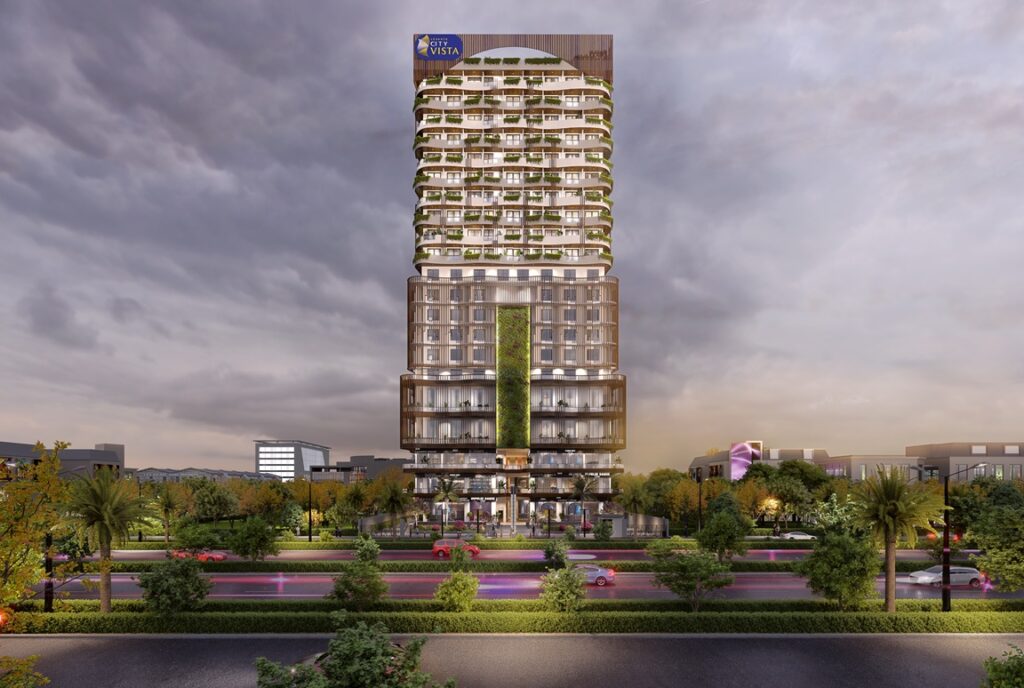
Mixed-use developments (MXDs) combine residential and non-residential uses such as retail, office, entertainment, civic spaces, and recreation into a single master plan. These projects are designed not just for living, but for living, working, and playing in the same ecosystem.
Typical components include:
- Residential units
- Commercial office spaces
- Retail and shopping outlets
- Recreational and public spaces
- Transportation access and infrastructure
The goal is a self-contained environment that maximizes convenience and encourages vibrant community interaction.
Long-Term Growth: Trends and Statistical Insights
Understanding macro trends is critical when comparing long-term potential.
Residential Real Estate Growth Trends
Residential real estate has demonstrated resilient performance even in uncertain markets.
India’s residential property delivered about 15% total returns over a recent 12-month period, as measured by transaction, price, and rental data a strong performance reflecting ongoing demand for housing around major cities.
However, growth isn’t uniform everywhere e.g., some Indian cities saw housing sales drop by 12% in 2025, suggesting cyclical demand patterns.
Mixed-Use Performance Metrics
Mixed-use projects are increasingly outperforming other forms of development in key metrics:
Walkability and urban demand: 68% of real estate professionals surveyed expect walkable, mixed-use communities to dominate urban planning in the next decade, highlighting long-term relevance.
Higher property value growth: Urban Land Institute reported that mixed-use developments saw 12%+ increases in property value from 2023-2025, outpacing single-use projects.
Rental income and investment strength: CBRE and ULI data show mixed-use assets often generate 15–20% higher rental income due to revenue diversification. Vacancy rates also tend to be lower versus standalone commercial properties.
These metrics make a strong data-backed case that mixed-use projects can deliver long-term, diversified returns.
Side-by-Side Comparison: Residential vs Mixed-Use
Below is a detailed comparison of the two approaches across multiple dimensions.
Investment Returns and Cash Flow
- Residential Projects:
✔ Stable demand and strong capital appreciation over time
✘ Rental yields tend to be lower compared to commercial components, especially in top-tier cities. - Mixed-Use Projects:
✔ Diversified revenue streams from residential, retail, office, and leisure tenants
✔ Mixed use properties often deliver higher rental income and stable cash flow
✔ Lower vacancy risk thanks to tenant diversity
✘ Higher upfront costs and complexity (construction + regulation)
Bottom Line: Mixed-use developments can give investors multiple income sources, which increases resilience in downturns a key asset for long-term growth.
Risk and Market Stability
Residential Projects:
-
- Typically less sensitivity to economic cycles people always need homes.
- Demand can dip in slowdown periods (e.g., sales decline due to layoffs or credit tightening).
Mixed-Use Projects:
-
- Attract demand from businesses and residents alike, cushioning risks if one sector suffers.
- Can better withstand market fluctuations due to diversified use.
Community and Lifestyle Appeal
- Residential Communities:
Focus on quality housing and privacy. Best suited for families or long-term homeowners. - Mixed-Use Communities:
Promote walkability, convenience, and social interaction often favored by Millennials and Gen Z who prioritize live-work-play environments.
This lifestyle appeal can drive higher occupancy rates and longer tenant retention beneficial for long-term returns.
Land Use Efficiency and Sustainability
- Residential Projects:
Efficient for housing supply, but often spatially dispersed. - Mixed-Use Developments:
Maximize land use by stacking functions vertically and promoting pedestrian mobility aligning with modern sustainable urban planning.
Mixed-use developments reduce transport needs and encourage green building certifications, which can lower operational costs and appeal to eco-conscious tenants.
Challenges and Risks: Things to Watch
No real estate strategy is without drawbacks. Here’s what to consider.
Risks of Residential Projects
- Cyclical sales demand: Market slowdowns can suppress sales temporarily.
- Lower rental yields: Residential yields often trail commercial components.
- Regulatory constraints: Rent control and other laws may limit growth.
Risks of Mixed-Use Projects
Despite their appeal, mixed-use developments have unique challenges:
Higher initial capital: Construction complexity and multi-component planning increase costs.
Regulatory hurdles: Zoning, permits, and cross-sector compliance can delay projects.
Management complexity: Catering to both residential and commercial tenants requires specialized operations.
Yet for investors with long investment horizons and risk tolerance, these challenges can be worthwhile.
Practical Guidance: Which Should You Choose?
Here’s a decision framework based on goals and resources.
If You’re a Long-Term Investor:
✔ Prefer consistent income and diversification? → Mixed-Use
Mixed-use developments spread risk across sectors, buffer downturns, and offer multiple revenue streams ideal for hedge portfolios.
If You’re a Homeowner or End-User:
✔ Looking for long-term shelter and value appreciation? → Residential
Homeownership remains a fundamental wealth-building tool, especially in stable markets.
If You’re a Developer or Urban Planner:
✔ Seeking urban vibrancy and sustainable planning? → Mixed-Use
Integrated towns and live-work hubs align with modern lifestyle trends and city planning goals.
The Future of Real Estate: Key Takeaways
As cities grow and lifestyles evolve:
Mixed-Use is not just a trend it’s a strategy for resilient urban growth and diversified investment returns.
Residential projects, however, still serve as cornerstones of wealth building due to stable demand and emotional value.
Data consistently shows that mixed-use developments outperform single-use projects in rental potential, tenant retention, and long-term viability provided they’re well-planned and executed.
Conclusion
So, which is better for long-term growth residential or mixed-use projects? The answer isn’t binary.
- Residential properties are timeless, stable, and essential.
- Mixed-Use developments offer diversified, higher-growth potential and align with modern urban demand.
Ultimately, the best choice depends on your goals, risk tolerance, investment horizon, and resources. Savvy investors often combine both in their portfolios to achieve balance, stability, and growth.
Whether you’re planning your next real estate investment, a community project, or assessing property values understanding these differences can give you the edge in a rapidly evolving real estate market.
Frequently Asked Questions (FAQs)
-
What is the main difference between residential and mixed-use projects?
Residential projects are developed solely for living purposes, such as apartments or villas, whereas mixed-use projects combine residential, commercial, retail, and recreational spaces within a single development.
-
Which is better for long-term real estate investment: residential or mixed-use?
Mixed-use projects are generally better for long-term growth due to diversified income sources, higher rental yields, and reduced vacancy risk. However, residential projects offer stable appreciation and lower risk.
-
Do mixed-use developments offer higher rental returns?
Yes, mixed-use developments typically offer 15–20% higher rental yields as income is generated from residential, retail, office, and entertainment components.
-
Are mixed-use projects riskier than residential projects?
Mixed-use projects involve higher initial investment and management complexity, but they reduce long-term risk through income diversification compared to single-use residential projects.
-
Why are mixed-use developments becoming popular in urban areas?
They promote walkability, reduce commuting time, optimize land use, and offer a live-work-play lifestyle, which is highly preferred by millennials and urban professionals.