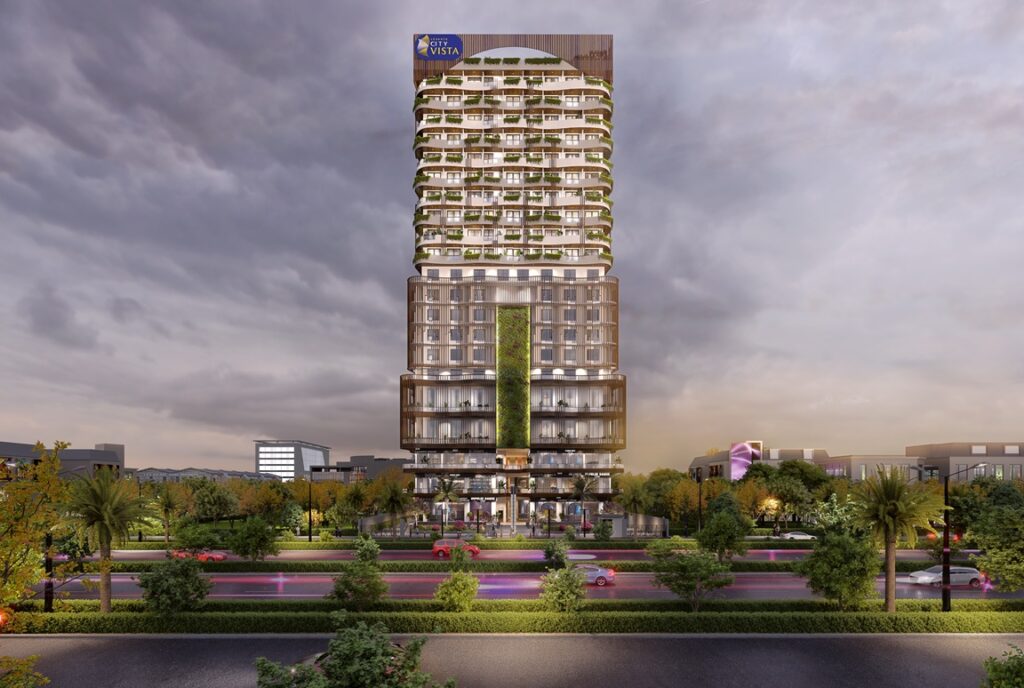
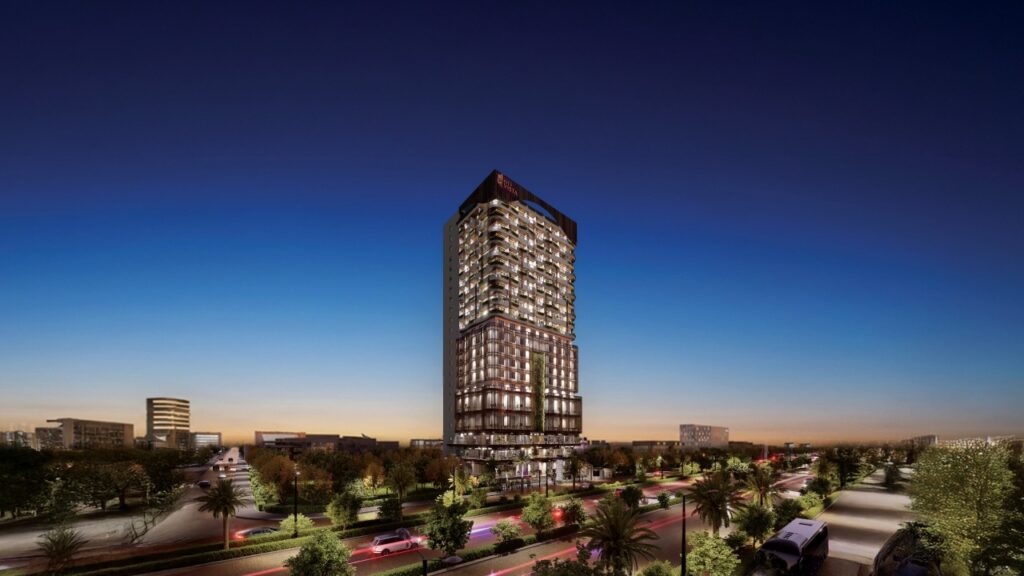
Urban landscapes across the globe are evolving, and at the heart of this transformation lies a powerful real estate trend: mixed-use development. With populations growing rapidly and lifestyles changing faster than ever, traditional city planning can no longer keep pace. People today want convenience, sustainability, connectivity, and community — not long commutes, isolated zones, or disconnected neighborhoods.
This shift in demand is clearly visible in emerging urban hubs like Greater Noida, where integrated developments such as Levante City Vista are redefining how people live, work, shop, and socialize.
Mixed-use developments (MUDs) are no longer a futuristic concept; they are a practical solution to modern urban challenges, and Levante City Vista stands as a strong example of this new-age planning philosophy.
What Is Mixed-Use Development? (Definition & Core Concept)
A mixed-use development blends multiple land uses — typically residential, commercial, retail, office, cultural, and public spaces — into a single, cohesive project or neighborhood.
Rather than separating homes, offices, and shopping zones into distant locations, mixed-use planning brings everything together in one integrated ecosystem. This enables people to live, work, shop, relax, and interact within walking distance.
Projects like Levante City Vista in Greater Noida embody this philosophy by integrating thoughtfully designed residential spaces with retail, commercial zones, lifestyle amenities, and public infrastructure creating a self-sustained urban environment.
This approach contrasts sharply with traditional single-use zoning, which often leads to long commutes, traffic congestion, and reduced quality of life.
Key Elements of Mixed-Use Development
A well-planned mixed-use project like Levante City Vista, Greater Noida typically includes:
- Residential spaces (apartments, condos, townhouses)
- Commercial zones (office spaces, business hubs, startups)
- Retail outlets (shops, cafés, supermarkets, daily-need stores)
- Public and recreational areas (parks, plazas, walkways)
- Cultural and community facilities (event spaces, social hubs)
- Transportation access (road connectivity, public transit, pedestrian paths)
These elements are not isolated — they are designed to function together, creating an active, vibrant, and convenient lifestyle for residents, professionals, and visitors alike.
Why Mixed-Use Development Matters: The Urban Context
Urbanization Trends
By 2050, nearly 70% of the global population is expected to live in cities, adding approximately 2.5 billion people to urban areas worldwide. This rapid urbanization places immense pressure on land availability, infrastructure, and overall quality of life.
In India, cities like Greater Noida are witnessing accelerated growth due to planned infrastructure, expressway connectivity, and proximity to economic corridors. Mixed-use projects such as Levante City Vista respond to this growth by utilizing land efficiently while maintaining a high standard of living.
Historic Shift in Urban Planning
Traditional city planning segregated land uses — residential colonies in one area, offices in another, and shopping zones elsewhere. This model led to urban sprawl, traffic congestion, and time loss.
Mixed-use developments reverse this approach by promoting compact, walkable, people-centric neighborhoods. Levante City Vista reflects this evolution by creating a destination where multiple aspects of life coexist seamlessly.
Core Benefits of Mixed-Use Development
Mixed-use developments are more than just architectural innovations — they deliver measurable social, economic, and environmental benefits. Projects like Levante City Vista in Greater Noida highlight these advantages clearly.
Economic Advantages
- Boosts Local Economies
Mixed-use developments attract consistent foot traffic due to the presence of residents, office-goers, and visitors. Retail outlets, cafés, and service businesses benefit from steady demand.
In a fast-developing market like Greater Noida, Levante City Vista helps generate employment opportunities and supports local entrepreneurship through integrated commercial and retail spaces.
- Higher Property Values
Properties within mixed-use environments typically witness higher appreciation due to convenience, lifestyle appeal, and long-term demand.
Residential and commercial units in Levante City Vista benefit from their strategic location, integrated planning, and growing real estate value of Greater Noida.
- Diverse Revenue Streams
For investors, mixed-use projects reduce risk by offering multiple income sources — residential rentals, retail leases, office spaces, and service-driven revenues. This diversification makes developments like Levante City Vista more resilient during market fluctuations.
Social and Community Benefits
- Enhanced Quality of Life
Residents in mixed-use developments enjoy shorter commutes, easy access to daily needs, and a balanced work-life routine.
At Levante City Vista, residents can live close to workplaces, shopping areas, and leisure spaces — significantly reducing daily stress and travel time.
- Safer Public Spaces
Round-the-clock activity from residents, professionals, and shoppers naturally enhances security. Mixed-use environments create safer streets by maintaining continuous human presence.
- Inclusivity & Diversity
Mixed-use developments attract diverse demographics — professionals, families, entrepreneurs, and senior citizens — fostering inclusive and socially dynamic communities.
Environmental & Sustainability Gains
- Reduced Carbon Emissions
Shorter travel distances reduce dependence on personal vehicles, lowering fuel consumption and carbon emissions.
Greater Noida’s planning focus, combined with mixed-use developments like Levante City Vista, supports eco-friendly urban growth by minimizing long commutes.
- Walkability & Transit Orientation
Wide pathways, pedestrian-friendly zones, and proximity to transport corridors encourage walking and cycling, promoting healthier lifestyles and cleaner air.
- Efficient Land Use
By integrating multiple functions vertically and horizontally, mixed-use developments prevent urban sprawl and preserve surrounding natural areas.
Types of Mixed-Use Development Models
Mixed-use projects come in various forms, and developments like Levante City Vista may incorporate one or more of these models:
Vertical Integration
Different uses stacked within a single structure — retail at the ground level, offices above, and residences on upper floors — ideal for dense urban zones.
Horizontal / Cluster Integration
Residential, retail, and commercial components placed side by side within walking distance across a master-planned layout.
Hybrid / Masterplanned Districts
Large-scale developments combining multiple clusters, green zones, commercial hubs, and lifestyle infrastructure — a model that aligns well with Greater Noida’s long-term urban vision.
Real-World Examples of Successful Mixed-Use Developments
Globally successful examples reinforce the relevance of projects like Levante City Vista:
- CityLife Milan, Italy – A 36-hectare mixed-use district revitalizing an old expo site
- One Central Park, Sydney – A globally recognized sustainable mixed-use icon
- U.S. Cities like Seattle & Boston – Rapid growth of “live-work-play” developments
Levante City Vista positions itself within this global movement by adapting proven mixed-use principles to the Indian urban context.
Why Mixed-Use Development Is Shaping the Future of Cities
- Convenience Is King
Modern buyers and tenants prioritize convenience. Levante City Vista offers the ability to access offices, retail, and lifestyle spaces without leaving the neighborhood.
- Community First, Cars Second
Greater Noida’s evolving urban planning favors human-centered design, walkability, and smart infrastructure — all supported by mixed-use formats.
- Market Resilience
Mixed-use developments perform better during economic shifts, balancing demand across residential, retail, and commercial sectors.
- Public Health & Well-Being
Access to open spaces, reduced pollution, and social interaction promotes healthier urban living — a key focus in developments like Levante City Vista.
Challenges and Considerations in Mixed-Use Development
Despite the advantages, careful planning is essential:
- Zoning & Planning Complexity
- Infrastructure Requirements
- Higher Initial Investment Costs
However, in high-growth regions like Greater Noida, the long-term returns and urban impact outweigh these challenges.
Mixed-Use Development in India: Focus on Greater Noida
India’s top cities — including Delhi-NCR, Noida, Greater Noida, Pune, Bangalore, and Hyderabad — are rapidly adopting mixed-use models.
Greater Noida, with its expressways, metro connectivity, and planned infrastructure, is emerging as a prime destination for integrated developments. Projects like Levante City Vista reflect this shift by combining commerce, residences, retail, and lifestyle spaces into a single destination.
Recent zoning relaxations allowing commercial activity within residential developments further accelerate this trend.
Future Trends in Mixed-Use Development
- Smart & Sustainable Infrastructure
- Green & Wellness-Centric Design
- Transit-Oriented Mixed-Use Communities
Levante City Vista aligns closely with these future-forward trends, positioning itself as a next-generation urban landmark in Greater Noida.
Conclusion
Mixed-use development is not merely a real estate trend — it is a fundamental shift in urban planning. By integrating residences, workplaces, retail, public spaces, and transit, mixed-use projects respond to modern lifestyle needs while supporting sustainable city growth.
In fast-developing urban hubs like Greater Noida, projects such as Levante City Vista showcase how mixed-use development creates shorter commutes, richer daily experiences, and stronger communities.
As cities continue to grow, mixed-use developments are no longer optional — they are the future of urban living.
Frequently Asked Questions (FAQs)
-
What is meant by mixed-use development?
Mixed-use development refers to a real estate project that combines residential, commercial, retail, office, and recreational spaces within a single integrated area, as seen in projects like Levante City Vista, Greater Noida.
-
Why is mixed-use development important for modern cities?
It supports sustainable growth, reduces traffic congestion, improves walkability, and enhances quality of life — particularly in growing cities like Greater Noida.
-
What are the main benefits of mixed-use developments?
Reduced commute times, higher property values, lifestyle convenience, economic growth, environmental sustainability, and stronger community engagement.
-
How does mixed-use development reduce traffic and pollution?
By minimizing travel distances and promoting walkability, mixed-use developments reduce car dependency, lowering emissions and congestion.
-
Are mixed-use developments good for property investment?
Yes. Projects like Levante City Vista offer diversified income sources and long-term appreciation, making them attractive investment options.