India’s cities are expanding at an unprecedented pace. With rapid population growth, rising migration to urban centers, and increasing pressure on infrastructure, traditional city planning models are struggling to cope. In response, a smarter and more sustainable urban solution is gaining momentum: integrated townships.
More than just real estate developments, integrated townships are transforming how Indians live, work, socialize, and invest. These master-planned ecosystems bring together housing, offices, education, healthcare, retail, and recreation within a single, cohesive environment.
In this comprehensive guide, we explore:
- What integrated townships are
- Why they are rising rapidly in India
- Their economic, social, and lifestyle impact
- Key examples across Indian cities—including Greater Noida
- Challenges and future trends
Let’s begin.
What Are Integrated Townships?
An integrated township is a self-sustained urban ecosystem designed as a single master plan. Unlike standalone residential societies, these townships combine live–work–play–learn environments within walkable or short-commute distances.
They are designed to reduce dependency on external city infrastructure while offering residents a high-quality, convenient, and connected lifestyle.
Key Features of Integrated Townships
Most integrated townships in India typically include:
- Residential spaces (apartments, villas, plotted developments)
- Schools, colleges, and skill-development centers
- Hospitals and healthcare facilities
- Retail zones, malls, and entertainment hubs
- Office spaces, IT parks, and co-working hubs
- Large green landscapes, parks, and open zones
- Smart infrastructure (IoT utilities, smart lighting, waste management)
- Gated security and community amenities
These features create a holistic lifestyle ecosystem where daily needs are accessible within the township itself.
Why Integrated Townships Are Gaining Popularity in India
India’s evolving urban lifestyle is a major driver behind the surge in township developments.
-
Urban Congestion and Infrastructure Stress
Mega cities like Delhi NCR, Mumbai, and Bengaluru face heavy congestion, pollution, and infrastructure overload. Integrated townships help decentralize growth, extending cities in a planned and organized manner.
Regions like Greater Noida have emerged as prime township destinations due to wide roads, planned sectors, and availability of large land parcels—making them ideal for integrated developments.
-
Post-COVID Demand for Self-Sufficient Living
The pandemic transformed housing preferences. Buyers now prefer self-contained environments with open spaces, healthcare access, retail convenience, and work-friendly infrastructure.
Integrated townships met this demand by offering safer, less crowded, and well-managed environments—making them increasingly attractive to families and professionals alike.
-
Demand for Walkable Live–Work Ecosystems
With hybrid work and remote working becoming mainstream, proximity to offices and business hubs matters more than ever. Integrated townships reduce long commutes by integrating commercial zones or offering easy access to employment corridors.
This trend is especially visible in Greater Noida West and Yamuna Expressway, where upcoming commercial and IT infrastructure aligns well with modern township planning.
Economic Impact: Employment, Investment & Value Creation
Integrated townships are powerful economic engines—not just housing projects.
Employment Generation
Large-scale townships create thousands of direct and indirect jobs across construction, retail, hospitality, education, healthcare, and IT sectors.
For instance, the QUAD integrated township project near Technopark Phase IV in Thiruvananthapuram is expected to generate around 26,000 direct jobs, highlighting the employment potential of such developments.
Investment Growth & Real Estate Appreciation
Integrated townships witness higher demand due to better infrastructure, lifestyle amenities, and long-term planning. In several Indian markets, demand for township-based projects has increased by nearly 30% year-on-year.
In Delhi NCR, especially Greater Noida, property values within well-planned townships have shown consistent appreciation due to metro connectivity, expressways, and upcoming commercial corridors.
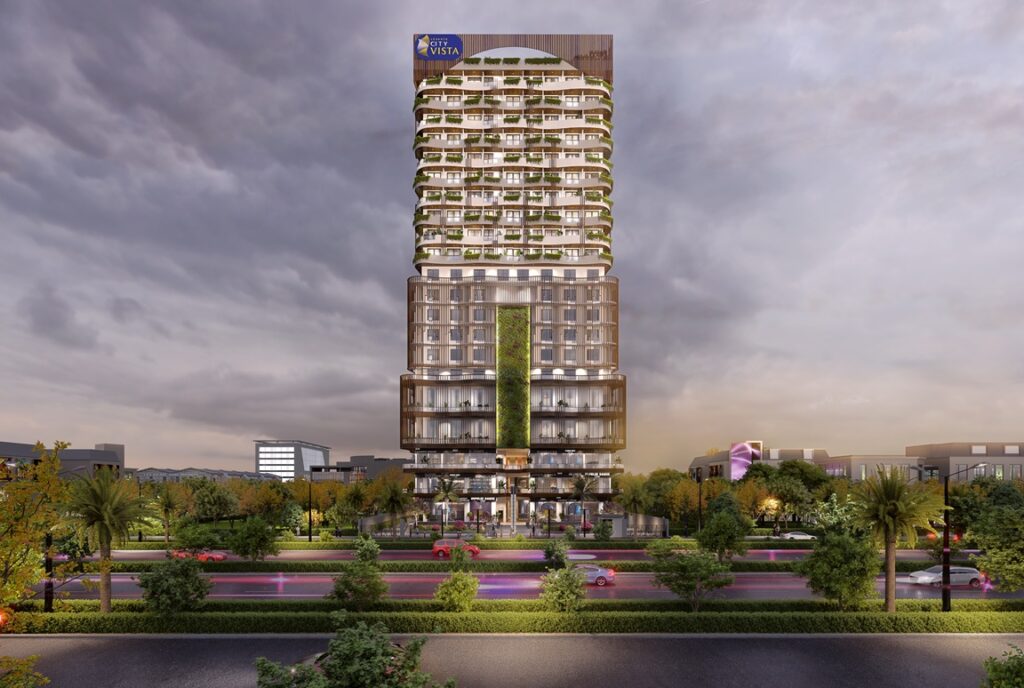
Greater Noida Spotlight: Levante City Vista
A strong example of this trend is Levante City Vista, a newly launched integrated township-style residential development by Levante Group in Greater Noida.
Positioned within one of NCR’s fastest-growing zones, Levante City Vista reflects the new-age township philosophy by offering:
- Strategic connectivity to Noida, Delhi, and Yamuna Expressway
- Proximity to upcoming commercial and institutional hubs
- Modern lifestyle amenities within a planned community
- Long-term value appreciation potential in a growth corridor
As Greater Noida continues to evolve into a planned urban extension of Delhi NCR, projects like Levante City Vista are attracting both end-users and investors seeking future-ready living.
Foreign and Institutional Investment
Integrated townships also attract institutional and foreign investors. Under specific frameworks, India allows 100% FDI in township development, especially in PPP-led infrastructure projects—boosting capital inflows and urban development quality.
Social and Lifestyle Impact of Integrated Townships
Beyond economics, integrated townships significantly improve everyday living.
Reduced Commute & Better Work-Life Balance
With offices, schools, and daily conveniences located nearby, township residents save 30–60 minutes of daily commute time, especially in metro regions.
This results in:
- Less stress
- More family time
- Improved productivity
Community Living & Social Well-Being
Shared spaces such as parks, clubhouses, walking tracks, and cultural zones encourage interaction and foster a sense of belonging—addressing the social isolation often found in dense urban neighborhoods.
Enhanced Security & Safety
Controlled access, gated layouts, and 24/7 surveillance make integrated townships safer—particularly appealing to families, senior citizens, and working professionals.
Health & Environmental Benefits
Most modern townships emphasize sustainability through:
- Rainwater harvesting
- Solar energy utilization
- Waste and water recycling
- Green buffers and open landscapes
Such measures can reduce energy consumption by up to 30% and improve mental well-being, as access to green spaces has been shown to reduce stress levels by nearly 20%.
Key Integrated Townships Transforming India
Prestige Shantiniketan – Bengaluru
A benchmark integrated township in Whitefield, combining homes, offices, retail, and hospitality.
Calcutta Riverside – Kolkata
A 262-acre township along the Hooghly River with residences, hospital, IT parks, golf course, and entertainment zones.
Amanora Park Town – Pune
Spread across 400+ acres, this township features smart utilities, residential towers, malls, schools, and offices.
Technocity – Thiruvananthapuram
A 500-acre integrated ecosystem combining IT parks, residential zones, hospitality, and education.
Emerging Hub – Greater Noida
With projects like Levante City Vista, Greater Noida is fast establishing itself as a next-generation township destination within Delhi NCR.
Urban Planning & Sustainability: A Modern Imperative
Integrated townships align perfectly with India’s urban planning goals by promoting:
- Planned expansion over urban sprawl
- Reduced carbon footprint
- Optimized infrastructure usage
They also support India’s long-term sustainability and climate targets through eco-friendly construction and smart city integration.
Challenges Facing Integrated Townships
Despite the advantages, challenges remain:
- Land acquisition issues due to fragmented ownership
- High upfront investment costs
- Dependence on external connectivity and regional infrastructure
However, government policy support and growing private participation continue to address these challenges.
Future Trends in Integrated Townships
- Expansion into tier-2 and tier-3 cities like Indore, Coimbatore, and Lucknow
- Increased use of AI, IoT, EV infrastructure, and smart utilities
- Rise of multi-generational living models catering to all age groups
Conclusion
Integrated townships are redefining the future of urban India. By blending residential, commercial, educational, healthcare, and recreational spaces into master-planned ecosystems, they address critical challenges posed by rapid urbanization.
From better work-life balance and community living to strong investment potential and environmental sustainability, integrated townships—especially in growth corridors like Greater Noida with projects such as Levante City Vista—are shaping how India lives and works.
Frequently Asked Questions (FAQs)
-
What is an integrated township?
An integrated township is a large, self-sustained urban development that combines residential housing with commercial spaces, educational institutions, healthcare, retail, recreation, and infrastructure within a single master-planned area.
-
How are integrated townships changing urban living in India?
Integrated townships reduce long commutes, improve work-life balance, and offer a superior lifestyle by providing homes, offices, schools, shopping, and leisure spaces in one location. They also promote sustainability, safety, and community living.
-
Why are integrated townships becoming popular in Greater Noida?
Greater Noida offers planned infrastructure, wide roads, metro connectivity, expressways, and availability of large land parcels. These factors make it ideal for integrated township developments, attracting both homebuyers and long-term investors.
-
Is investing in an integrated township a good decision?
Yes, integrated townships generally deliver higher appreciation and rental demand than standalone projects due to better planning, amenities, and commercial integration. They also offer long-term stability for end-users and investors.
-
What lifestyle benefits do integrated townships offer?
Key benefits include shorter commute times, access to green spaces, enhanced security, modern amenities, healthcare and education within reach, and stronger community engagement—leading to an overall better quality of life.