
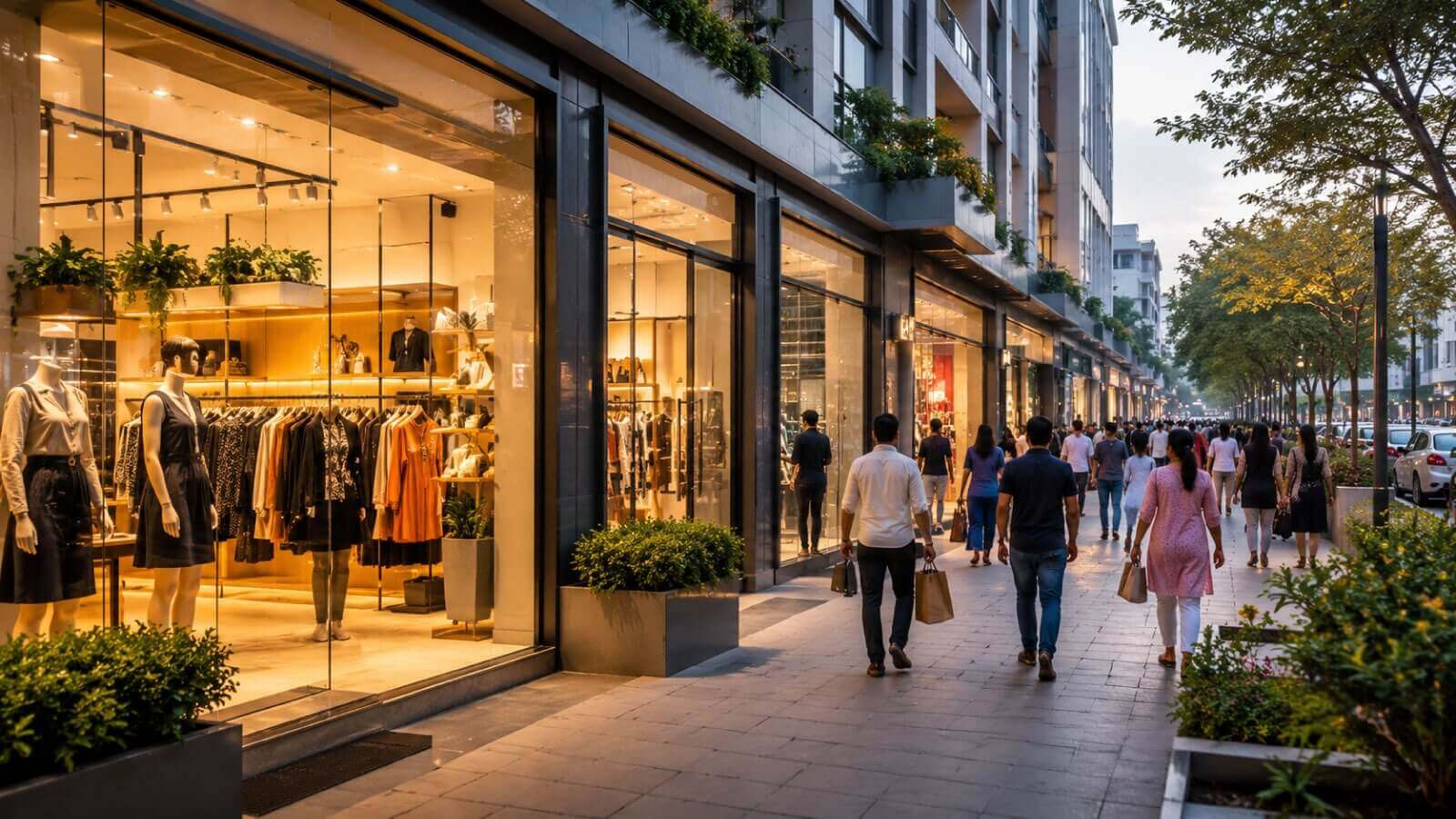
Ground floor retail shops have consistently remained one of the most sought-after commercial real estate assets. Whether located in shopping complexes, mixed-use developments, high streets, or commercial hubs, these spaces often enjoy stronger customer engagement and greater business visibility than shops on upper floors.
For investors, retailers, and real estate developers, understanding why ground floor retail shops attract higher demand is essential for making informed property decisions. Businesses benefit from increased accessibility, while investors often prefer these properties because of their potential to attract quality tenants and maintain consistent occupancy.
As India's commercial real estate sector continues to evolve with integrated developments and transit-oriented projects, demand for strategically located ground floor retail spaces is expected to remain strong. This article explores the factors driving this demand, key investment considerations, and practical strategies for buyers.
Why Location Matters in Retail Real Estate
Location has always been one of the biggest factors influencing commercial property performance. Customers naturally prefer stores that are easy to notice and access. Retailers, in turn, seek spaces where people can enter without additional effort, making ground floor units especially attractive.
Ground floor shops are commonly positioned near entrances, parking areas, pedestrian walkways, metro stations, and main roads. These factors contribute to consistent customer movement throughout the day.
Unlike upper-floor commercial units, ground-level stores often require less directional signage because customers can easily identify them while passing by.
Key Reasons Why Ground Floor Retail Shops Attract Higher Demand
1. Higher Visibility
Retail success begins with visibility.
A shop located directly along a busy frontage naturally receives greater exposure than one located on an upper level. Customers often make impulse purchasing decisions after noticing attractive storefronts or promotional displays.
Greater visibility can benefit businesses such as:
- Cafés
- Restaurants
- Fashion outlets
- Pharmacies
- Grocery stores
- Salons
- Mobile stores
- Convenience retailers
For many businesses, visibility directly supports customer acquisition.
2. Better Customer Accessibility
Ease of access significantly influences customer behaviour.
Ground floor retail spaces allow customers to:
- Walk directly into the store
- Avoid elevators or escalators
- Enter comfortably with strollers or wheelchairs
- Make quick purchases
- Reduce waiting time
This convenience often improves the overall shopping experience.
3. Increased Footfall
Retail businesses depend heavily on customer traffic.
Ground floor shops generally experience higher pedestrian movement because visitors naturally pass through entrance zones before reaching upper levels.
While footfall depends on the project's design, tenant mix, and location, ground floor units usually benefit from being part of the primary circulation path within commercial developments.
4. Better Brand Visibility
Every business wants customers to remember its brand.
Ground floor shops offer larger opportunities for:
- Window displays
- Digital signage
- Promotional branding
- Product showcases
- Seasonal advertising
These features improve brand recall and encourage spontaneous visits.
5. Strong Demand Across Multiple Business Categories
Ground-floor commercial spaces suit various industries.
These include:
- Food & beverage outlets
- Banks
- Clinics
- Retail brands
- Electronics stores
- Lifestyle brands
- Daily convenience stores
- Service providers
This broad demand creates flexibility for property owners when leasing commercial units.
Conclusion
The answer to why ground floor retail shops attract higher demand lies in a combination of visibility, accessibility, customer convenience, and business practicality. These characteristics make ground floor retail spaces attractive to a wide range of businesses while supporting leasing opportunities for investors.
However, floor level alone does not determine investment success. Buyers should also evaluate location, connectivity, surrounding population, project quality, legal compliance, and long-term development plans before making any investment decision.
As commercial real estate continues to evolve, integrated developments such as Levante Metro Walk demonstrate how thoughtfully planned retail environments can support both businesses and investors. Whether you are expanding your business or investing in retail shops, informed decision-making remains the key to long-term value.
Frequently Asked Questions
Why are ground-floor retail shops more expensive?
Ground floor shops generally offer better visibility, easier accessibility, and stronger customer engagement, making them highly desirable for many businesses.
Are ground-floor retail shops a good investment?
They can be attractive investment options when located in well-planned commercial developments with strong connectivity, quality infrastructure, and sustainable tenant demand.
Which businesses benefit most from ground-floor retail shops?
Restaurants, cafés, pharmacies, supermarkets, salons, fashion outlets, banks, convenience stores, and service businesses often prefer ground-floor locations due to easier customer access.