
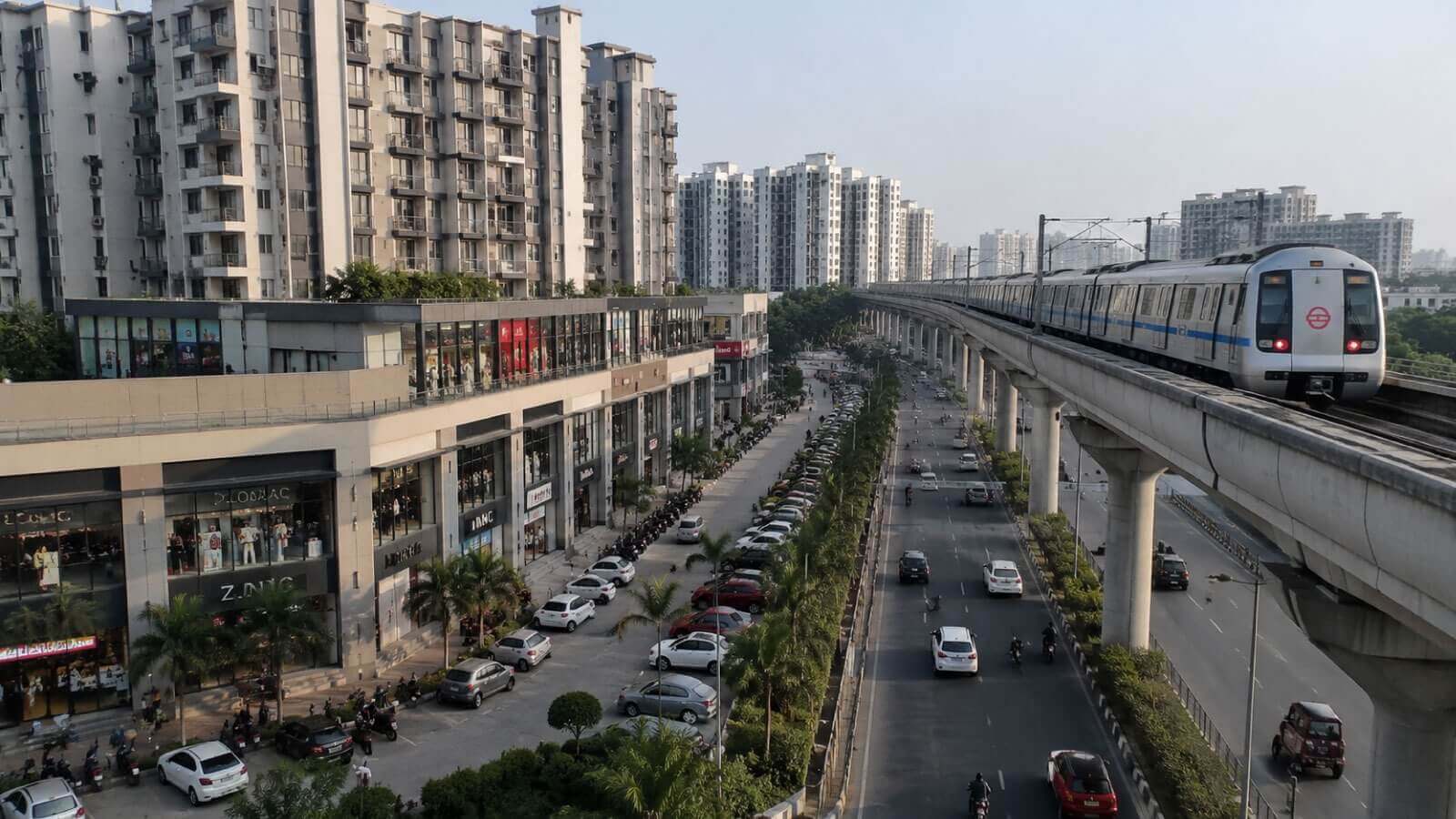
Investing in retail real estate remains one of the most reliable ways to build long-term wealth when the investment is backed by careful planning and the right project selection. However, not every commercial property delivers the same results. Understanding the features that make a retail shop investment successful helps investors minimize risks, generate stable rental income, and improve capital appreciation over time.
For real estate professionals, commercial developers, and investors, evaluating a retail property goes beyond its purchase price. Factors such as location, accessibility, surrounding infrastructure, tenant demand, and project quality directly influence a shop's long-term performance. With growing urbanization, improved infrastructure, and increasing consumer spending across NCR cities like Greater Noida, selecting the right commercial project has become more important than ever.
This guide explores the essential characteristics of a successful retail shop investment and provides practical insights that investors can apply before making a purchase.
Why Retail Shop Investments Continue to Attract Investors
Retail shops form an important segment of commercial real estate because they generate revenue through business activity. Unlike residential properties, successful retail spaces often benefit from recurring rental income and the possibility of long-term lease agreements with businesses.
Some key advantages include:
- Opportunity for regular rental income
- Potential capital appreciation in developing locations
- Diversification of investment portfolio
- Demand from retail brands, restaurants, healthcare, and service businesses
- Lower vacancy risk in well-planned commercial developments
However, these benefits depend largely on selecting a property with the right investment fundamentals.
Key Features That Make a Retail Shop Investment Successful
1. Prime Location with Strong Visibility
Location remains the single most important factor in commercial real estate.
Retail businesses rely heavily on customer convenience and visibility. Shops located on main roads, mixed-use developments, metro corridors, or busy commercial destinations generally receive better customer attention than properties in isolated areas.
A strong location should offer:
- High daily footfall
- Excellent road connectivity
- Easy public transport access
- Sufficient parking
- Visibility from major roads
Retailers prefer locations where customers can easily access stores without inconvenience.
2. High Footfall and Customer Catchment
Footfall directly influences retail business performance.
Before investing, evaluate:
- Residential population nearby
- Office workforce
- Educational institutions
- Hospitals
- Tourist attractions
- Existing shopping destinations
A healthy combination of residents, office employees, students, and visitors creates consistent customer demand throughout the week.
Projects located within mixed-use developments generally enjoy stronger and more balanced footfall.
3. Excellent Connectivity
Accessibility influences both customer visits and retailer interest.
Look for projects connected to:
- Metro stations
- Expressways
- Major highways
- Bus routes
- Upcoming infrastructure projects
In Greater Noida, connectivity through metro corridors and expressways has significantly improved commercial accessibility, making strategically located retail developments increasingly attractive.
4. Quality Developer and Project Reputation
A reputed developer reduces investment risk.
Before purchasing, verify:
- Previous project delivery
- Construction quality
- Project approvals
- RERA registration
- Customer reviews
- Transparency in documentation
Choosing an experienced developer often leads to better project management, higher occupancy, and improved long-term value.
5. Strong Tenant Mix
The right tenant mix increases visitor frequency and customer engagement.
Successful retail projects generally include:
- Restaurants
- Cafés
- Grocery outlets
- Banks
- Pharmacies
- Fashion stores
- Lifestyle brands
- Essential services
A balanced tenant mix encourages repeat visits and supports sustained business activity across the project.
6. Adequate Parking Facilities
Parking is often overlooked but plays a critical role in retail success.
Customers are more likely to visit commercial destinations that provide:
- Ample parking spaces
- Organized vehicle movement
- Separate visitor parking
- Safe pedestrian access
Convenient parking improves customer experience and supports retailer growth.
7. Modern Infrastructure
Today's retailers seek spaces equipped with modern infrastructure.
Important features include:
- High-speed elevators
- Escalators
- Fire safety systems
- Power backup
- CCTV surveillance
- Energy-efficient systems
- Clean common areas
- Professional facility management
These amenities improve operational efficiency while creating a better shopping environment.
8. Future Infrastructure Development
Retail investments should consider future growth rather than current demand alone.
Research planned developments such as:
- Metro expansion
- New highways
- Residential townships
- IT parks
- Business districts
- Educational institutions
Infrastructure development often improves commercial demand over time and contributes to property appreciation.
Conclusion
Understanding the features that make a retail shop investment successful enables investors to make informed and sustainable decisions. While location remains the foundation of commercial success, other factors – including connectivity, tenant mix, infrastructure, developer credibility, legal compliance, and future growth potential collectively determine long-term returns.
Investors should evaluate every retail opportunity through a comprehensive lens rather than focusing solely on pricing or promotional offers. Well-planned commercial developments located in growing urban corridors are better positioned to support rental income, business demand, and long-term appreciation.
Whether you are purchasing your first commercial unit or expanding an existing portfolio, carefully assessing these investment fundamentals can significantly improve your chances of long-term success. Explore thoughtfully designed commercial developments from Levante Group, including Levante Metro Walk, to understand how strategic planning, modern infrastructure, and mixed-use development principles create value for both businesses and investors.