Urban real estate patterns in India are changing rapidly. As metro rail networks expand across major cities and emerging urban regions, commercial activity around metro corridors continues to grow. For investors, retailers, and commercial property buyers, this shift has created increasing interest in retail spaces located near metro stations.
The benefits of owning retail shops near metro stations go beyond convenience. These properties often attract strong daily footfall, visibility, rental demand, and long-term commercial relevance. Whether someone is investing for rental income, business operations, or long-term appreciation, metro-connected retail spaces are becoming an important segment within commercial real estate.
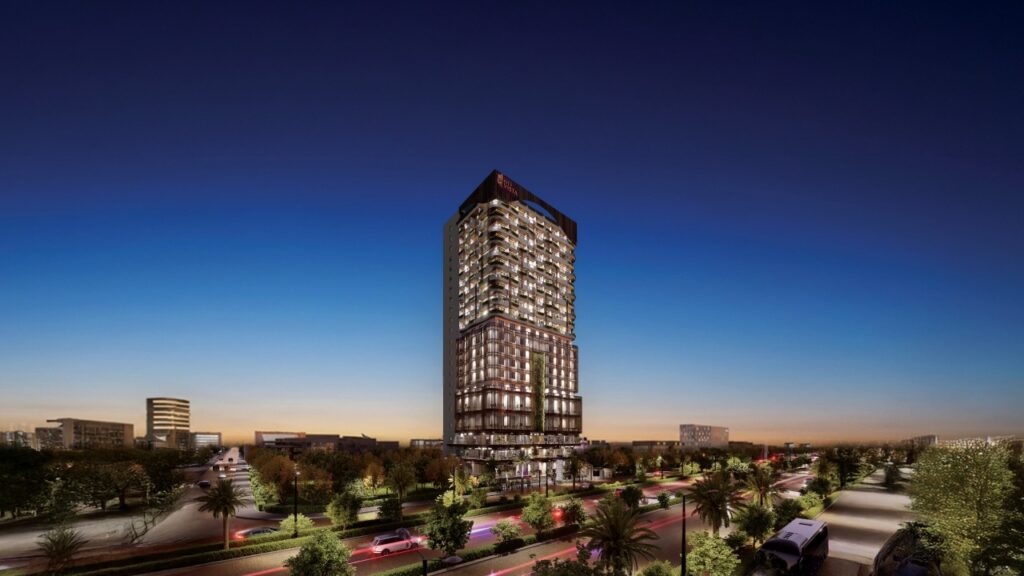
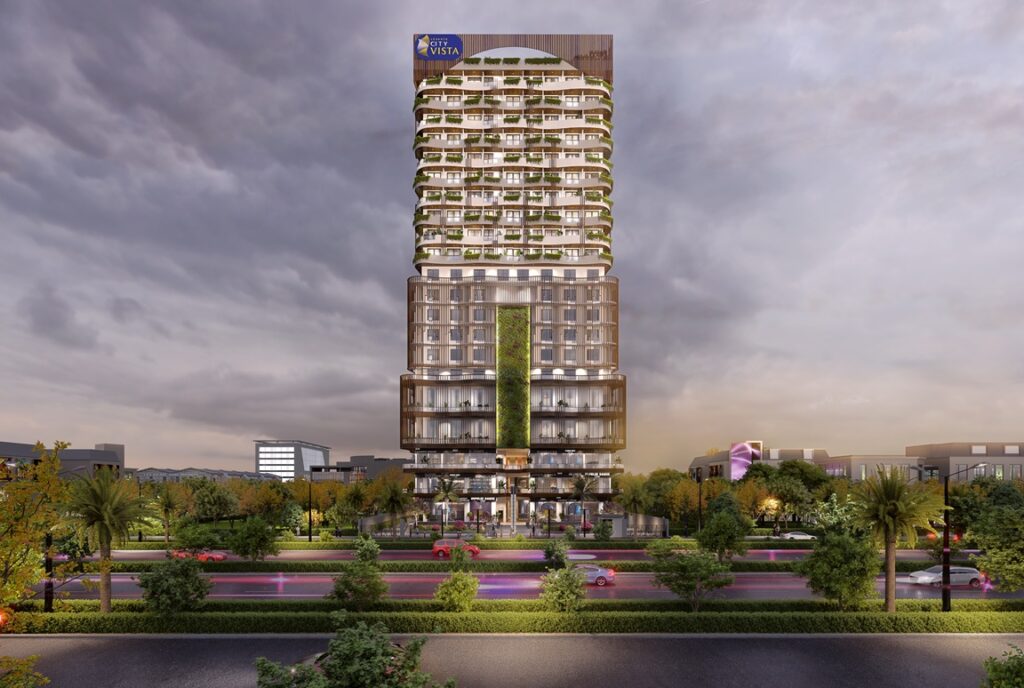
Projects such as Levante Metro Walk reflect this growing demand for integrated commercial developments positioned around accessibility, mixed-use infrastructure, and urban connectivity.
For investors comparing commercial asset classes, understanding the difference between Retail Shop and Office Space also becomes essential before making a long-term investment decision.
Why Metro Connectivity Matters in Commercial Real Estate
Metro systems influence how people move, shop, work, and spend time in urban areas. Retail businesses benefit directly from this movement because transportation hubs naturally generate consistent customer traffic.
According to multiple urban infrastructure studies and city development reports, commercial zones near metro stations often witness:
- Higher Pedestrian Movement
- Better Accessibility
- Improved Visibility For Businesses
- Stronger Leasing Demand
- Increased Commercial Activity
Unlike isolated commercial areas that rely heavily on vehicle traffic, metro-connected retail markets benefit from continuous commuter movement throughout the day.
Top Benefits of Owning Retail Shops Near Metro Stations
1. Higher Footfall and Customer Visibility
One of the major advantages of metro-connected retail shops is consistent footfall throughout the day. Metro stations attract office workers, students, travelers, residents, shoppers, and tourists, creating steady customer movement.
Retail businesses such as cafes, convenience stores, fashion outlets, pharmacies, food kiosks, and quick-service restaurants often benefit from this visibility and accessibility. Compared to low-connectivity areas, these locations may support stronger tenant demand, better rental stability, and improved occupancy potential for commercial property investors.
2. Better Rental Income Potential
Retail shops near metro stations often attract businesses looking for strong visibility and easy customer access. This demand can help property owners secure tenants faster and maintain stable occupancy levels.
Retail brands usually prefer locations that offer convenient transportation, daily commuter traffic, and better market exposure. As a result, metro-connected commercial spaces may experience stronger leasing interest than less accessible areas. However, rental performance also depends on factors such as project quality, local demand, market competition, pricing, and future infrastructure development.
3. Long-Term Appreciation Potential
Infrastructure development can significantly influence property values over time, especially in areas connected to metro networks. Improved accessibility often increases commercial activity, residential growth, and overall market desirability.
Retail shops located within emerging urban corridors may benefit from gradual appreciation as surrounding infrastructure and population density expand. Before investing, buyers typically assess factors such as future metro expansion plans, nearby residential developments, road connectivity, commercial growth potential, and long-term demand to evaluate the sustainability of the investment.
How Metro Connectivity Supports Retail Businesses
|
Factor |
Impact on Retail Shops |
| Daily Commuter Movement | Increased Customer Exposure |
| Easy Accessibility | Better Customer Convenience |
| Public Transportation Availability | Wider Consumer Reach |
| Mixed-Use Development Growth | Higher Commercial Activity |
| Urban Infrastructure Expansion | Improved Long-Term Demand |
Comparison Table
| Feature | Metro-Connected Retail Shops | Traditional Commercial Markets |
| Footfall Consistency | Often Higher | May Vary Significantly |
| Accessibility | Strong Public Connectivity | Sometimes Vehicle-Dependent |
| Visibility | High Commuter Exposure | Location Dependent |
| Rental Demand | Frequently Stable | Market-Specific |
| Long-Term Infrastructure Support | Usually Stronger | Depends On Locality |
Conclusion
The growing expansion of metro infrastructure is reshaping commercial real estate across India. Among the many commercial opportunities available today, retail shops near metro stations continue attracting attention due to accessibility, visibility, and daily commuter-driven activity.
The major benefits of owning retail shops near metro stations include:
- Higher Footfall Potential
- Improved Business Visibility
- Better Rental Demand
- Long-Term Commercial Relevance
- Stronger Connectivity Advantages
At the same time, successful commercial investment still depends on proper due diligence, location analysis, legal verification, and long-term planning.
Integrated developments such as Levante Metro Walk represent the growing demand for mixed-use commercial environments designed around urban accessibility and evolving consumer behavior.
Investors exploring commercial property opportunities should carefully evaluate project quality, infrastructure growth, and market fundamentals before making investment decisions.
Frequently Asked Questions:
Are retail shops near metro stations a good investment?
Retail shops near metro stations may offer strong commercial potential due to accessibility and consistent commuter movement. However, investment outcomes depend on location quality, demand, pricing, and market conditions.
Why do businesses prefer metro-connected retail spaces?
Businesses often prefer metro-connected retail locations because they provide:
- Better Visibility
- Customer Convenience
- Easy Accessibility
- Higher Pedestrian Traffic
Do retail shops near metro stations generate better rental income?
In many urban markets, metro-connected retail spaces may attract stronger tenant demand. However, rental performance depends on property quality, local demand, tenant type, and economic conditions.