
Choosing the right commercial property investment is one of the most important decisions for real estate investors. Among the most common options, the debate around retail shop vs office space continues to gain attention, especially in fast-growing urban markets.
Both asset classes offer distinct advantages, income models, and risk factors. For a real estate developer, investor, or even a first-time commercial buyer, understanding these differences is essential to making a smart, data-backed decision.
In this guide, we’ll break down how retail shops and office spaces perform in terms of ROI, rental yield, appreciation, and risk—helping you decide which option aligns best with your investment goals.
Retail Shop Investments
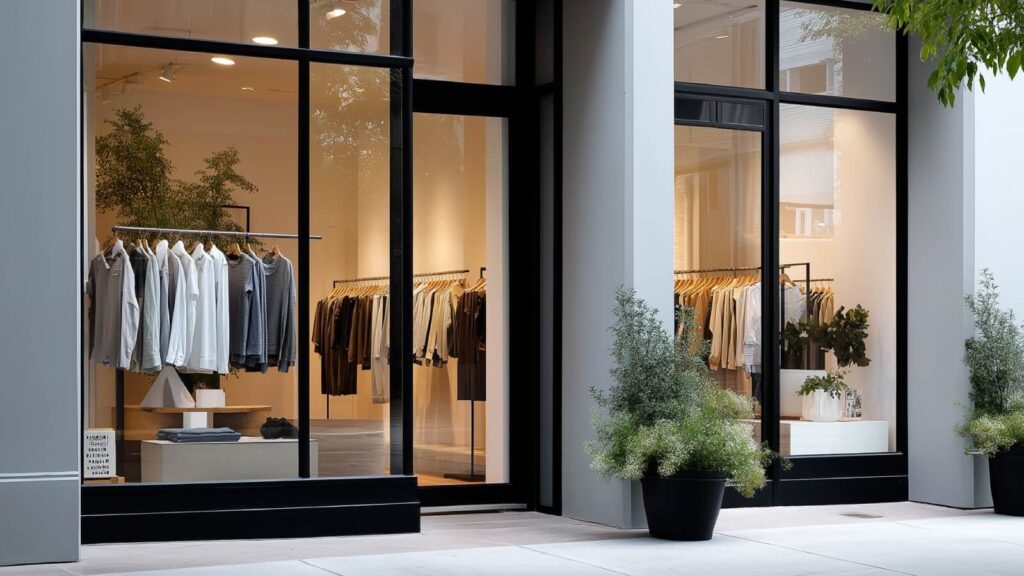
Retail shops are commercial units located in malls, high streets, or mixed-use developments like Levante City Vista, designed to cater to direct consumer sales.
Features of Retail Shops
- Located in high footfall areas
- Income driven by consumer demand
- Suitable for brands, franchises, and local businesses
- Often part of larger commercial hubs or townships
Advantages of Investing in Retail Shops
- Higher Rental Yield Potential: Retail spaces in prime locations often command premium rents due to visibility and foot traffic.
- Long-Term Leases: Established brands prefer longer lease agreements, ensuring stable income.
- Strong Demand in Growing Areas: Retail thrives in developing regions with increasing population and consumption.
Challenges
- Highly dependent on location quality
- Economic slowdowns can impact retail spending
- Vacancy risk if tenant turnover is high
Office Space Investments
Office spaces are designed for businesses, startups, and corporate operations. These can range from small units to large corporate floors.
Features of Office Spaces
- Typically located in business districts or IT hubs
- Demand driven by corporate growth and employment trends
- Includes co-working spaces, IT parks, and corporate offices
Advantages of Investing in Office Spaces
- Stable Rental Income: Office tenants often sign medium to long-term leases
- Lower Vacancy in Business Hubs: Prime locations maintain consistent demand
- Professional Tenants: Corporate tenants usually maintain properties well
Challenges
- Lower rental yield compared to retail in some markets
- Demand can fluctuate with economic cycles
- Requires quality infrastructure and amenities
Retail Shop vs Office Space: ROI Comparison
Let’s compare both asset classes across key investment parameters:
|
Factor |
Retail Shop |
Office Space |
| Rental Yield | Higher in prime locations | Moderate but stable |
| Capital Appreciation | Strong in developing markets | Steady in business hubs |
| Risk Level | Moderate to high | Moderate |
| Tenant Stability | Can vary | Generally stable |
| Maintenance Cost | Low to moderate | Moderate |
| Liquidity | Depends on location | Typically better in urban areas |
Which Offers Better ROI?
The answer depends on your investment strategy, risk appetite, and market conditions.
Retail Shops Offer Better ROI When:
- Located in high footfall areas (malls, high streets)
- Part of integrated developments like Levante City Vista
- Surrounded by residential catchments
- Demand from branded tenants is strong
Office Spaces Offer Better ROI When:
- Located in established business districts
- Backed by infrastructure growth and connectivity
- Targeting long-term corporate tenants
- Market demand for workspaces is stable
Factors That Influence ROI
1. Location
Location remains the most critical factor in any commercial property investment.
- Retail shops need visibility and accessibility
- Office spaces require connectivity and infrastructure
2. Tenant Profile
- Branded retail tenants ensure higher returns
- Corporate tenants ensure stability
3. Market Trends
- Retail benefits from consumption growth
- Office spaces depend on employment and business expansion
4. Developer Reputation
Working with a trusted real estate developer ensures:
- Quality construction
- Better tenant attraction
- Long-term value appreciation
Retail Shop vs Office Space: Which Should You Choose?
Here’s a quick decision guide:
- Choose Retail Shops if you want higher rental yield and can manage location-based risk.
- Choose Office Spaces if you prefer stable, long-term income with lower volatility.
For many investors, a balanced portfolio with both asset types works best.
Conclusion
The debate around retail shop vs office space doesn’t have a one-size-fits-all answer. Both investment options offer strong potential when chosen wisely.
Retail shops can deliver higher returns in prime locations, while office spaces provide consistent and stable income over time. The key lies in understanding your financial goals, market conditions, and property fundamentals.
If you’re exploring your next commercial property investment, consider projects like Levante City Vista, where integrated planning enhances both rental income and long-term appreciation.
Frequently Asked Questions:
Which is more profitable: retail shop or office space?
Retail shops can offer higher rental yields in prime locations, while office spaces provide stable and consistent income.
Is retail investment risky?
Retail investment depends heavily on location and tenant demand, making it slightly riskier than office space in some cases.
What is the average ROI in commercial real estate?
ROI varies based on location, property type, and market conditions. It’s important to analyze each project individually.
Should I invest in mixed-use developments?
Yes, mixed-use developments often provide better occupancy rates and diversified income opportunities.