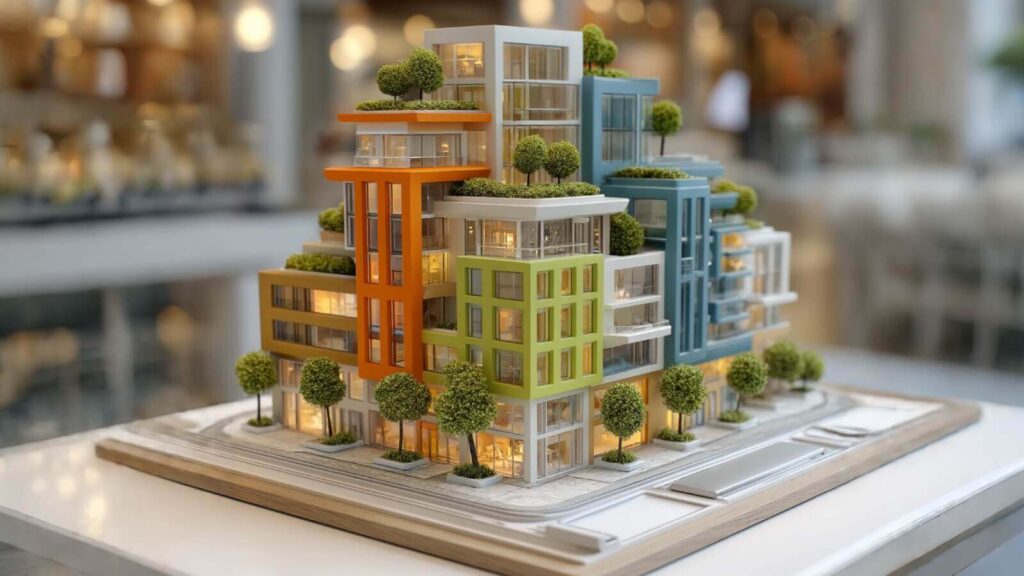
Urban real estate is evolving rapidly. Buyers today want convenience, connectivity, and long-term value all in one place. This is where mixed-use developments are gaining momentum. From integrated townships to smart urban hubs, this model is transforming how people live, work, and invest.
If you’re a real estate professional, investor, or homebuyer, understanding what is mixed use development is no longer optional it’s essential. These projects are shaping modern cities and offering unique advantages that traditional developments often lack.
In this blog, we’ll break down the concept, explore its benefits, and explain why it holds strong future growth potential in India’s real estate market.
What Is Mixed Use Development?
A mixed-use development is a real estate project that combines multiple types of properties within a single integrated space. Typically, it includes:
- Residential units (apartments, villas)
- Commercial spaces (offices, retail shops)
- Hospitality (hotels, serviced apartments)
- Entertainment & recreational facilities
Instead of separating these functions across different locations, mixed-use developments bring them together into one cohesive environment.
Components of Mixed Use Development
Understanding its structure helps clarify why it’s so effective:
|
Component |
Purpose |
| Residential | Living spaces for families and individuals |
| Commercial | Offices, co-working spaces |
| Retail | Shops, malls, restaurants |
| Leisure | Parks, gyms, entertainment zones |
| Infrastructure | Roads, parking, utilities, security |
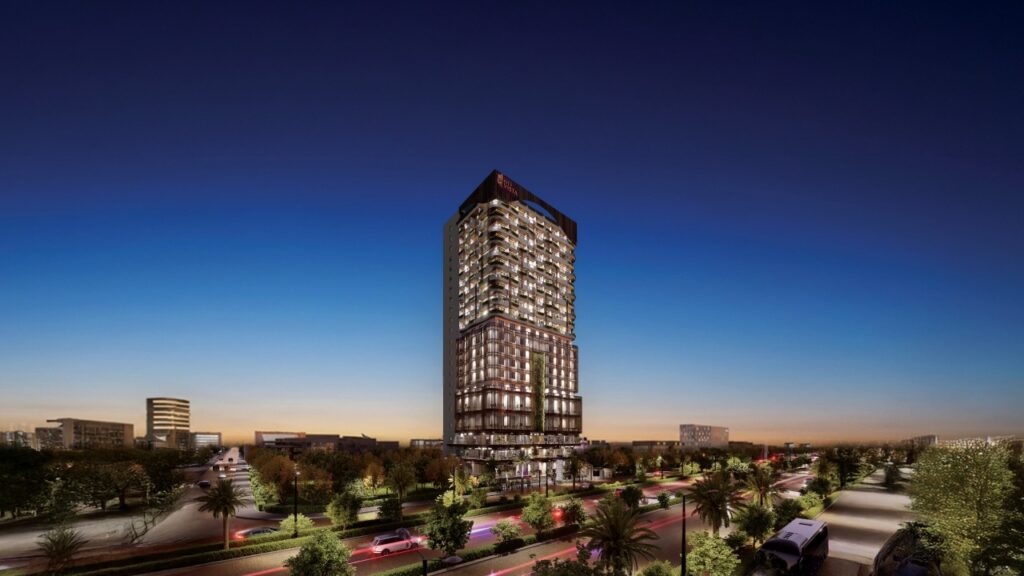
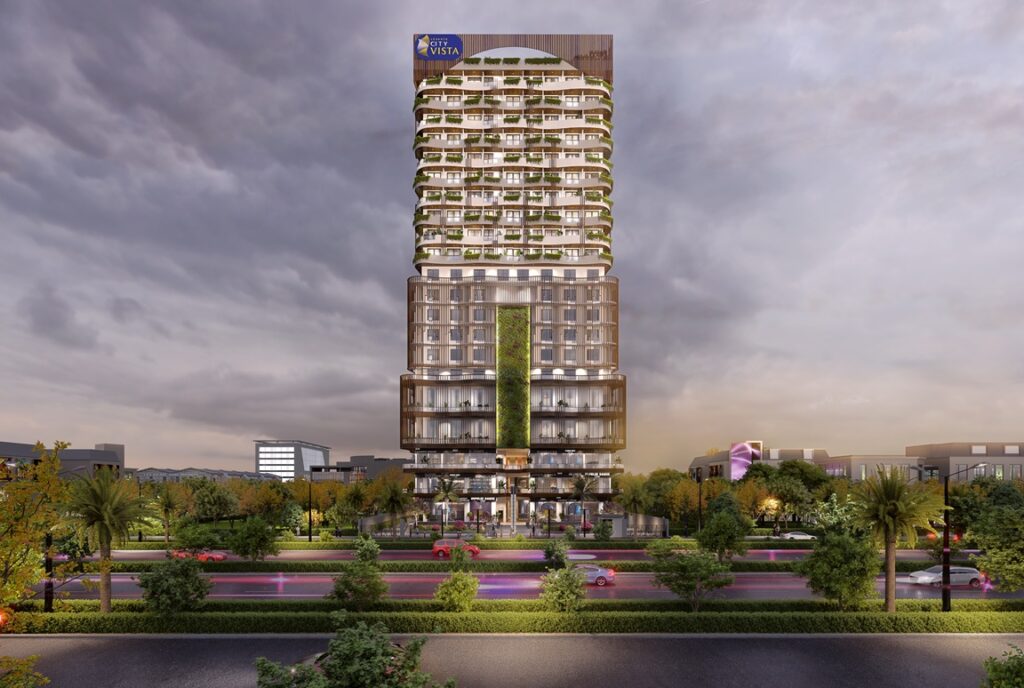
Projects like Levante City Vista are designed with this integrated approach, offering a balanced lifestyle and investment ecosystem.
Why Mixed Use Development Is Gaining Popularity
Several macro trends are driving demand:
- Rapid urbanization in Indian cities
- Increasing demand for work-life balance
- Rising commuting challenges
- Growth of smart city initiatives
Government-backed programs such as the Smart Cities Mission have also encouraged integrated urban planning, making mixed-use developments more relevant than ever.
Benefits of Mixed Use Development for Investors
1. Diversified Income Streams
One of the biggest advantages is risk diversification.
- Residential units generate rental income
- Retail spaces provide higher yields
- Office spaces ensure long-term leases
This multi-income model reduces dependency on a single asset class.
2. Higher Return on Investment (ROI)
Mixed-use projects often command better appreciation due to:
- Prime locations
- High footfall
- Integrated infrastructure
This makes them attractive for both short-term gains and long-term investments.
3. Lower Vacancy Risk
Since these developments cater to multiple segments:
- Retail attracts daily visitors
- Offices bring steady occupancy
- Residents create constant demand
This ecosystem minimizes vacancy compared to standalone properties.
4. Strong Demand from Tenants
Tenants prefer convenience. Living near workplaces, shopping, and entertainment increases demand, leading to:
- Better rental yields
- Faster leasing cycles
Benefits for Homebuyers
1. Convenience at Your Doorstep
Imagine living where everything is within walking distance:
- Grocery stores
- Offices
- Schools
- Restaurants
This significantly improves daily life quality.
2. Reduced Commute Time
Shorter travel times mean:
- Better work-life balance
- Lower transportation costs
- Reduced stress
3. Enhanced Lifestyle Amenities
Most mixed-use projects offer:
- Clubhouses
- Fitness centers
- Green spaces
- Entertainment zones
These features create a self-sustained community.
4. Better Security & Infrastructure
Integrated developments usually include:
- 24/7 security systems
- Managed facilities
- Planned infrastructure
This ensures a safer and more organized living environment.
Mixed Use Development vs Traditional Development
| Factor | Mixed Use Development |
Traditional Development |
| Usage | Multiple (residential + commercial) | Single-purpose |
| ROI Potential | Higher due to diversification | Limited to one segment |
| Lifestyle | Integrated & convenient | Fragmented |
| Risk Level | Lower | Higher |
Future Growth Potential of Mixed Use Developments
The future growth potential of mixed-use developments is strong, especially in emerging markets like India.
Key Growth Drivers:
- Urban population expansion
- Infrastructure development (metro, highways)
- Demand for integrated living
- Rise of remote and hybrid work models
According to urban planning experts and global real estate trends, integrated developments are expected to dominate new project launches in major cities.
How to Identify a Good Mixed-Use Project
Before investing, assess the following:
- Location connectivity
- Developer reputation
- Project design and planning
- Balance between residential and commercial spaces
- Availability of amenities
Projects like Levante City Vista often stand out when they combine strong planning with strategic location advantages.
Conclusion
Understanding what is mixed use development is crucial in today’s evolving real estate landscape. These projects offer a powerful combination of convenience, investment potential, and modern living.
For investors, they provide diversified income and strong ROI. For homebuyers, they deliver a seamless lifestyle experience. And for every real estate developer, they represent the future of urban planning.
As cities continue to grow, mixed-use developments will play a central role in shaping sustainable and efficient communities. If you’re exploring new opportunities, now is the right time to consider this dynamic segment.
Frequently Asked Questions:
What is mixed-use development in simple terms?
It is a real estate project that combines residential, commercial, and recreational spaces in one integrated area.
Is mixed-use development a good investment?
Yes, it offers diversified income streams, lower risk, and strong appreciation potential.
Who should invest in mixed-use projects?
Both individual investors and institutional buyers looking for long-term growth and rental income.
Are mixed use developments suitable for families?
Yes, they provide convenience, security, and access to essential services within close proximity.